
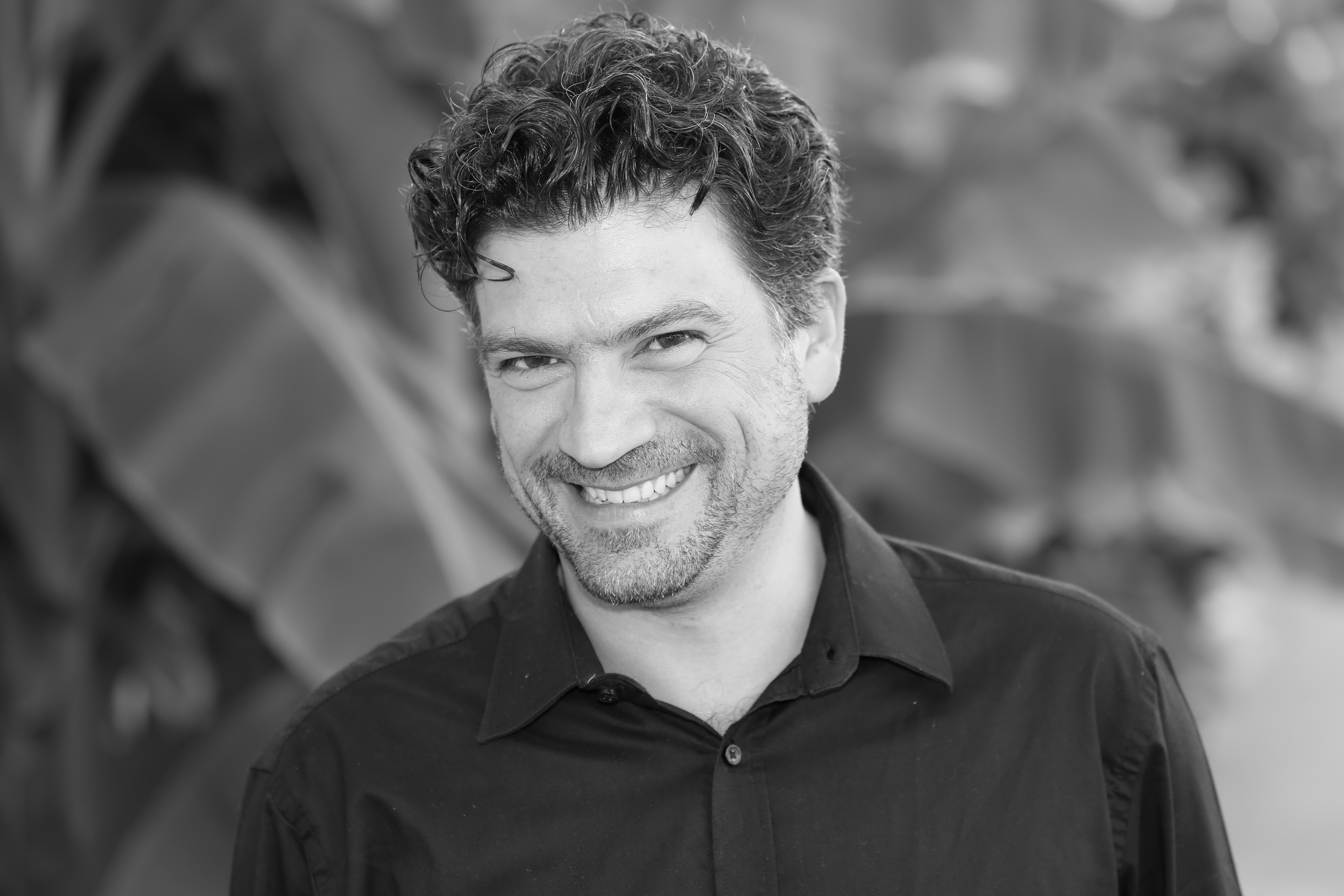
TRA SAN MARCO E SAN CASSIANO: From church to opera in Monteverdi’s circle


Kretinga Franciscan Church
August 15, 2024
19:00
VALERIO CONTALDO, tenor, FRANCESCA BENETTI, baroque harp, TEODORO BAÙ, vola da gamba, JACOPO RAFFAELE, harpsichord


“Be it known that all musical instruments, in comparison to the human voice, are inferior to it. For this reason, we (instrument players) should endeavour to learn from it and to imitate it.” That is the first sentence of Silvestro Ganassi’s "La Fontegara", one of the most important and extensive sources for the interpretation of XVI century music in Europe, published in 1535 in Venice. Due to flexibility and semantic possibilities of the voice, composers and performers considered similarity to it as the goal to be aimed by all instruments.
“The cornetto is the most excellent of all the wind instruments ... because it mimics the human voice better than the other instruments do”, is stated by Girolamo dalla Casa in his "Il vero modo di diminuir", published in 1584 in Venice. Dalla Casa was the creator of the first permanent instrumental ensemble at the Basilica di San Marco.
Thanks to this reflexion, from the beginning of the seventeenth century many composers used the cornetto to dialogue with the voice. In vocal pieces from that period instrumental interventions by the cornetto employed and developed subjects proposed by the vocal part.
Besides that, the cornetto was the instrument used in churches to replace sopranist singers. When one or more top parts were missing for some reason, cornetto players were involved to complete a vocal ensemble, because of cornetto’s flexibility and timber similar to the voice.
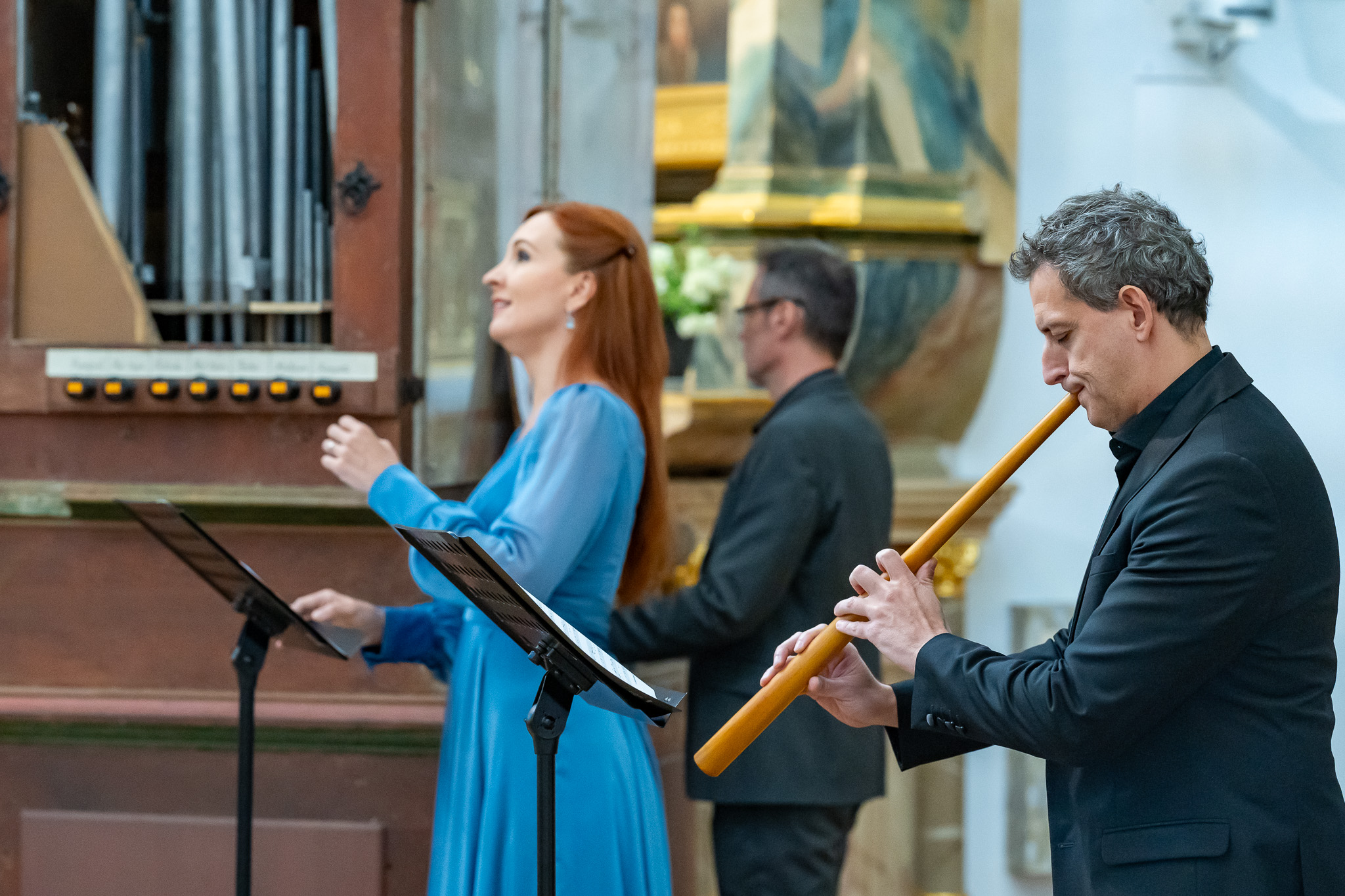
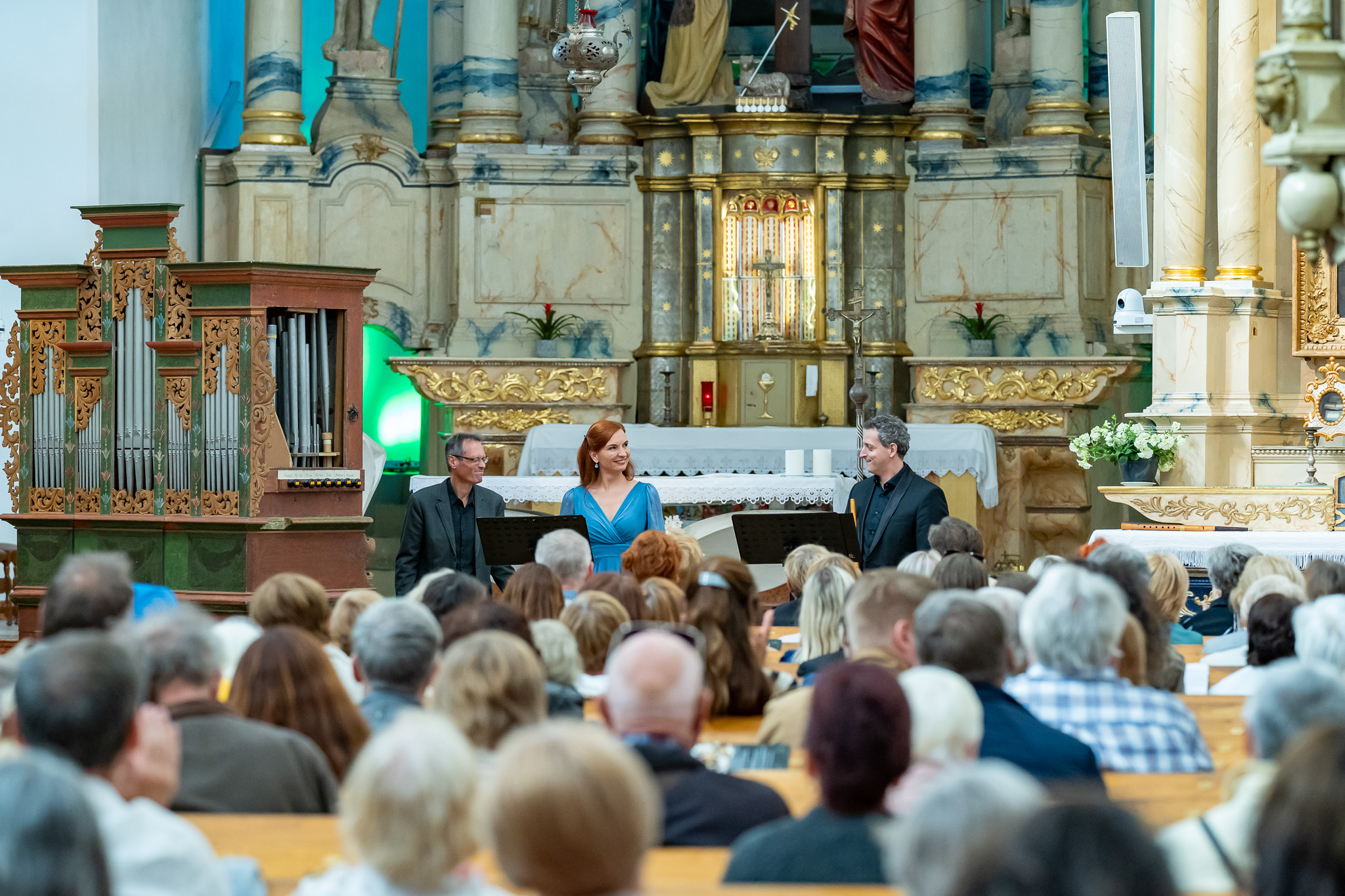
In this program Canto Fiorito presents different aspects of the dialogue between the voice and the cornetto, exploring the splendour of Italian sacred music in the beginning of the seventeenth century.
Kretinga Franciscan Church
August 15, 2024
19:00
VALERIO CONTALDO, tenor, FRANCESCA BENETTI, baroque harp, TEODORO BAÙ, vola da gamba, JACOPO RAFFAELE, harpsichord
Kretinga Franciscan Church
August 16, 2024
19:00
CAPPELLA MEDITERRANEA (France), LEONARDO GARCÍA ALARCÓN, artistic direction

Kretinga Franciscan Church
August 17, 2024
19:00
LEONARDO GARCÍA ALARCÓN, organ, RODRIGO CALVEYRA, recorders, cornetto
Kretinga Franciscan Church
August 19, 2024
19:00
RODNEY PRADA, viola da gamba, MARGHERITA BURATTINI, arpa doppia

Kretinga Franciscan Church
August 31, 2024
19:00
CANTO FIORITO (Lithuania), RODRIGO CALVEYRA, artistic director