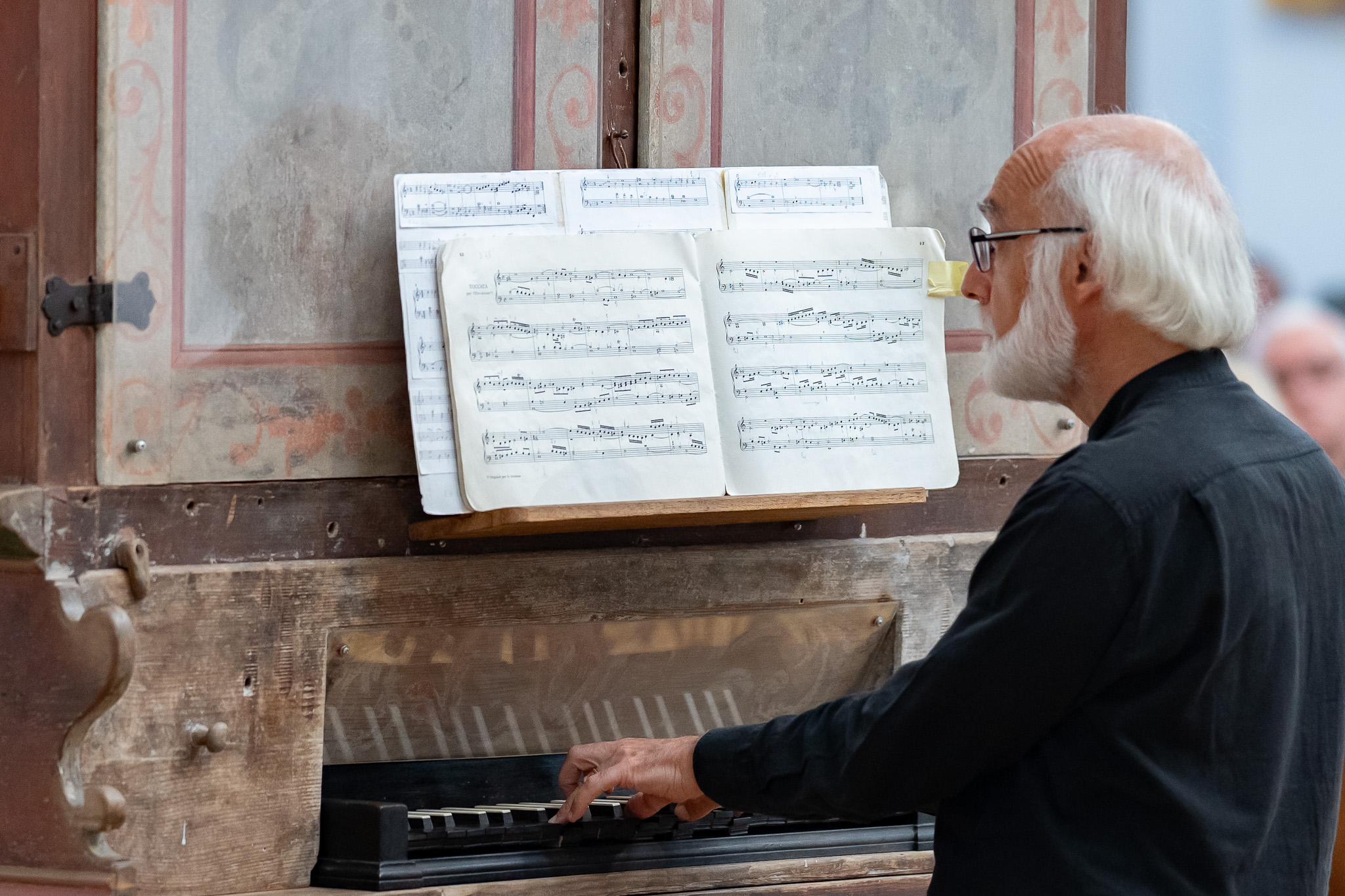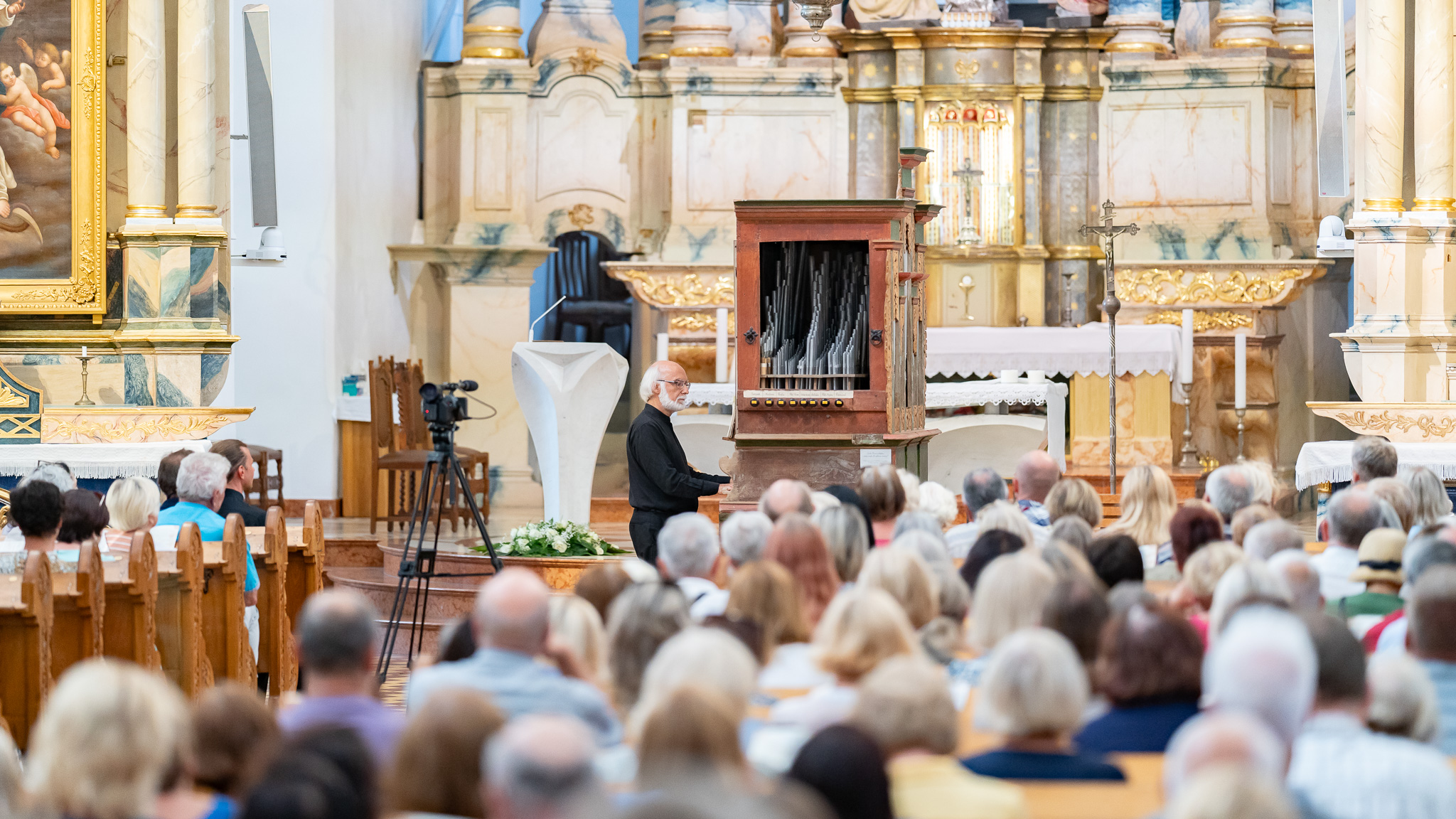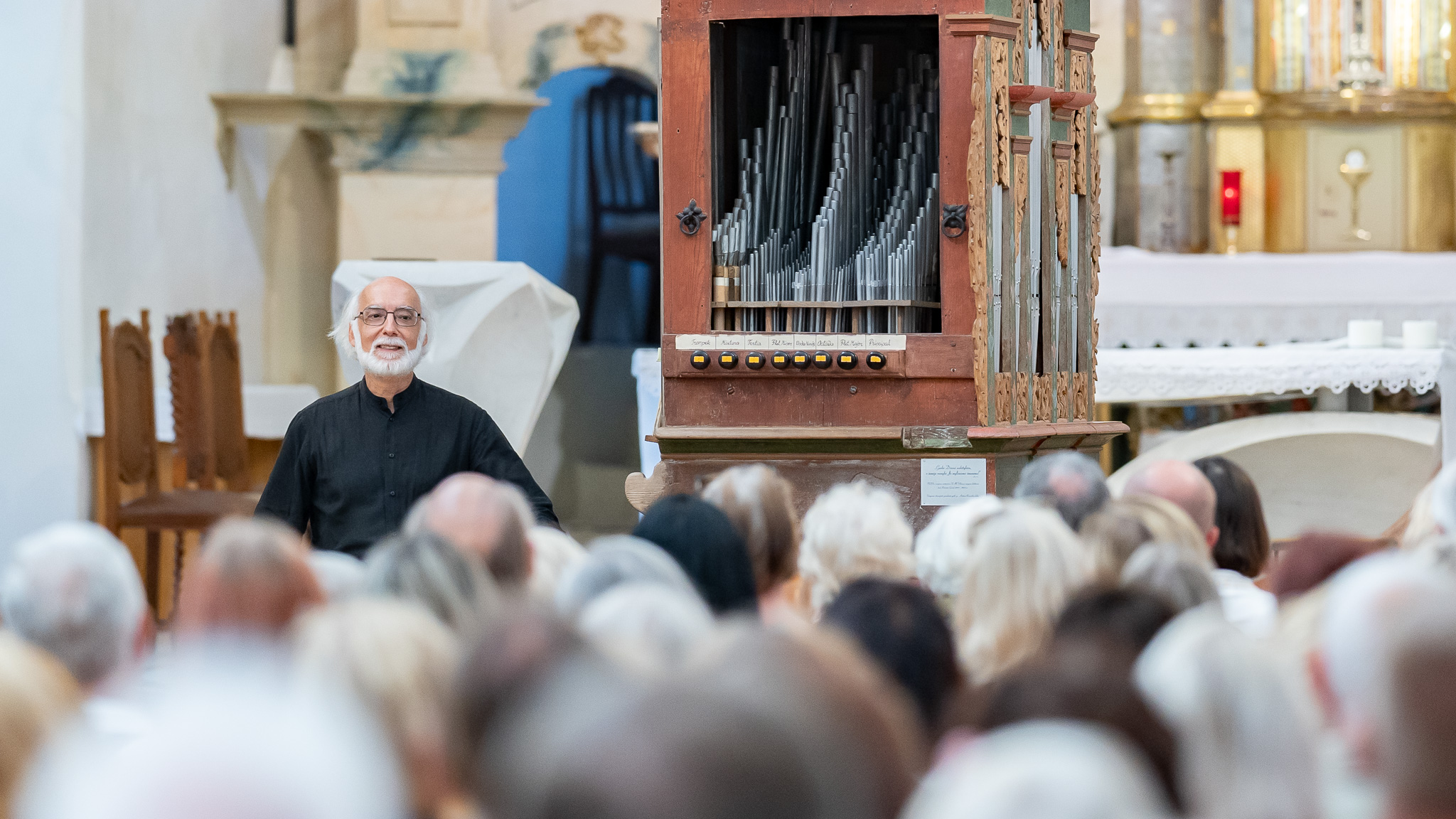

In the Baroque period, many Italian composers wrote for the organ. The most famous was certainly Girolamo Frescobaldi, who was appointed as the organist of St. Peter's in Rome when he was only 30 years old. His fame extended long after his death, to the extent that even Johann Sebastian Bach made a copy of the “Fiori musicali,” the last collection composed by the Italian maestro.
Bernardo Pasquini, born near Florence, found his fortune in Rome, where he became the accompanist of the famous violinist Arcangelo Corelli. Corelli's reputation spread throughout Europe, and his music even reached as far as South America, where Domenico Zipoli, a Jesuit sent on a mission to Paraguay, encountered it. The Jesuits spread sacred music among the American Indians and taught them how to play and craft instruments. The Sonata by Zipoli includes some violin passages by Corelli adapted for the organ by Zipoli.
The figure of Bernardo Storace is shrouded in mystery. As an organist in the city of Messina, Sicily, all documents relating to his life were destroyed in the great earthquake that devastated the city in 1900. Only one book, printed in Venice, survives in a single copy.
The style of Giovanni Battista Sammartini and Giuseppe Gonelli's sonatas leans towards the classical style, with simplicity of melodic lines and a reduction of harmonic complexity. Their music is pleasant and immediate, serving as a model for Mozart and the generation of musicians that contributed to the birth of the classical style.