

TIS NATURE'S VOICE: Music from England’s Shores


Kretinga Franciscan Church
July 31, 2025
19:00
CHRISTOPHER LOWREY, countertenor (USA/UK), MICHAEL GARREPY, organ, harpsichord (USA)


Stylistically, the music of the Ars Nova represents a significant departure from the earlier Ars Antiqua. Around the year 1300, innovations in musical notation allowed composers to write with far greater rhythmic flexibility, breaking free from the rigid rhythmic modes that had dominated the 13th century. This evolution resulted in music of increased complexity, expressiveness, and nuance, paving the way for the rich polyphonic textures that characterize the 14th century.
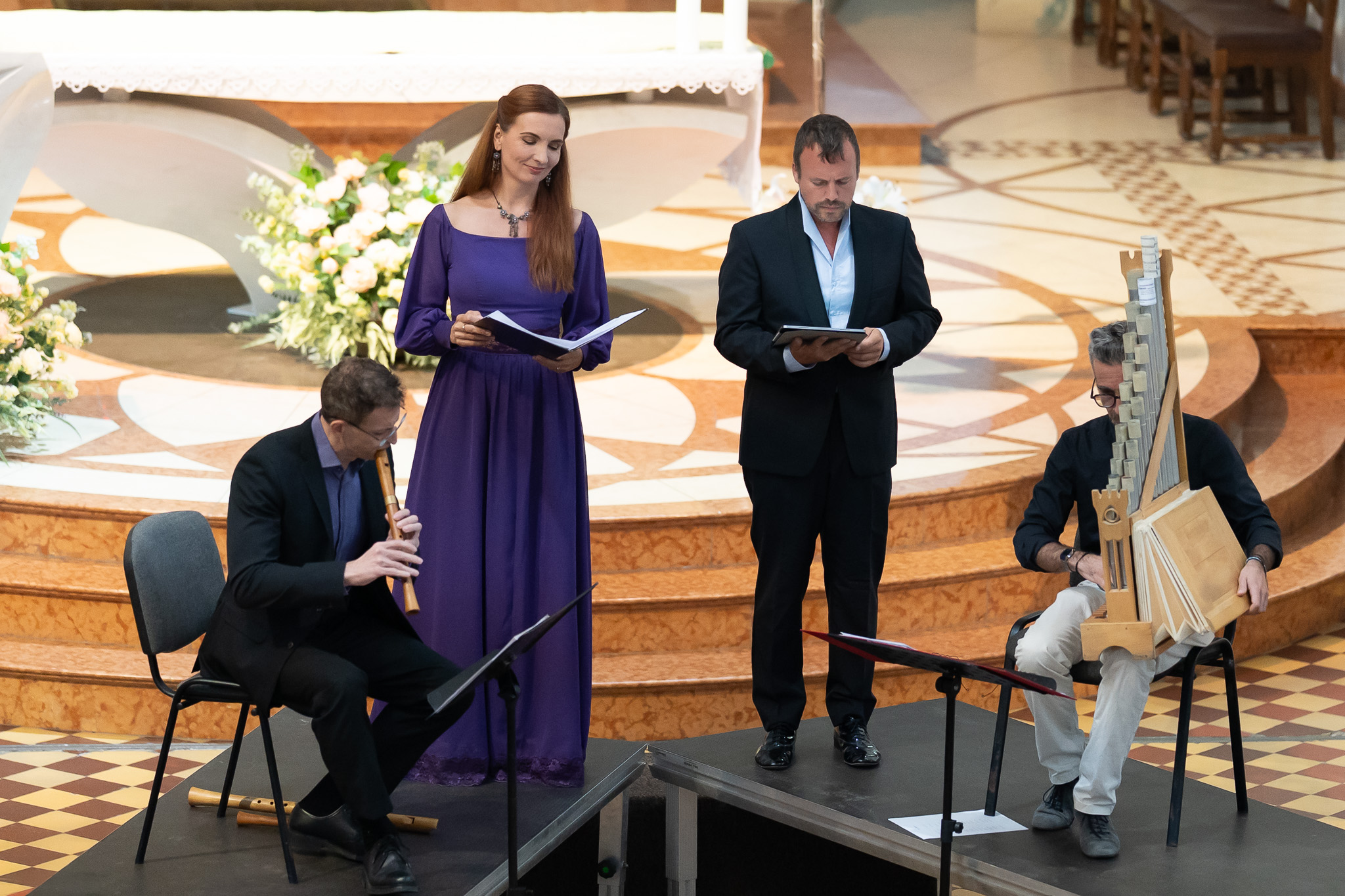
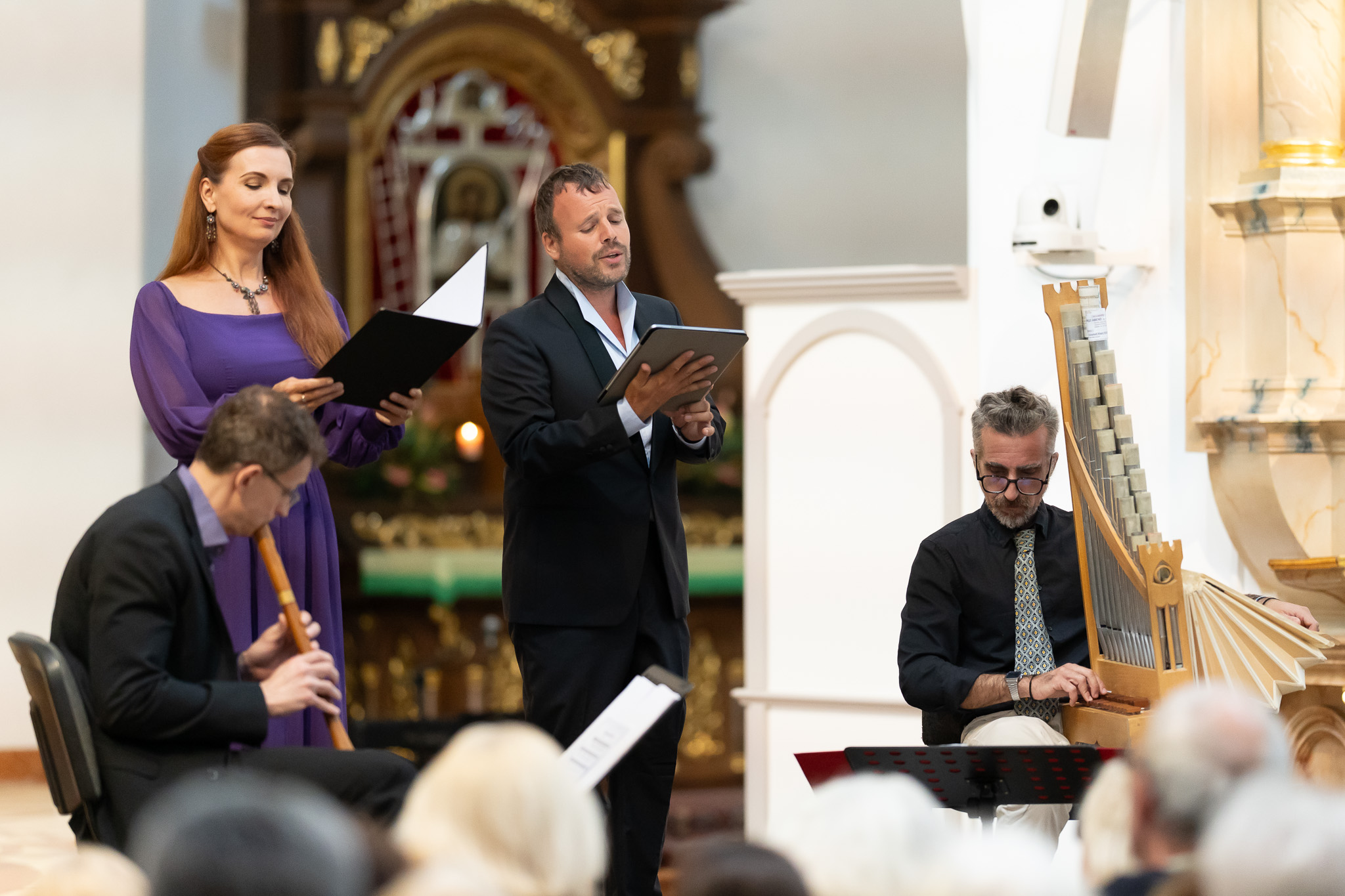
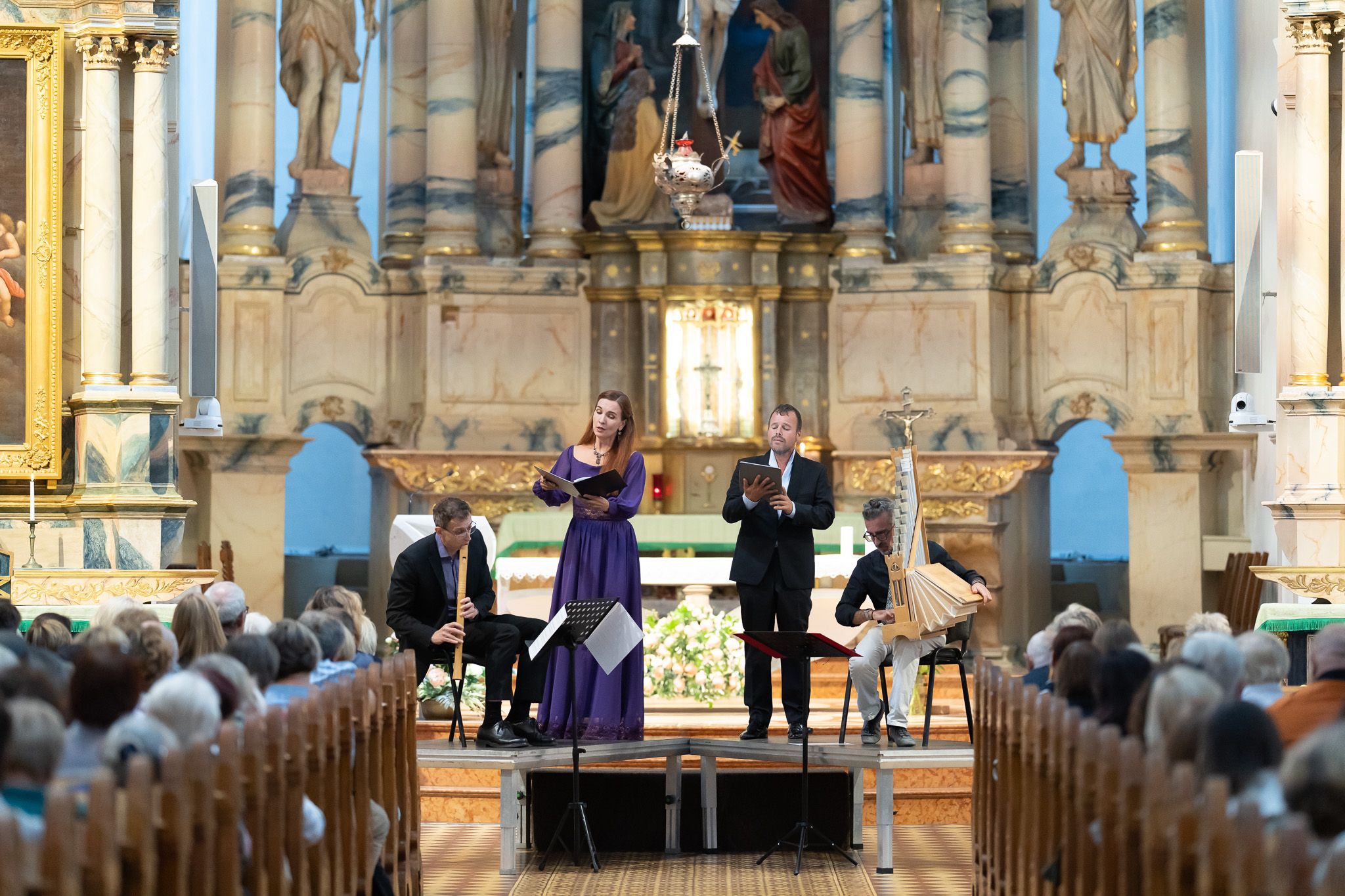
This program explores the brilliance of the Ars Nova through two of its greatest exponents: Guillaume de Machaut in France and Francesco Landini in Italy. To bring this exquisite repertoire to life, we are honored to present world-class experts of medieval music, the baritone Marc Mauillon, one of the foremost authorities in Ars Nova interpretation, and the organetto virtuoso Roger Helou.
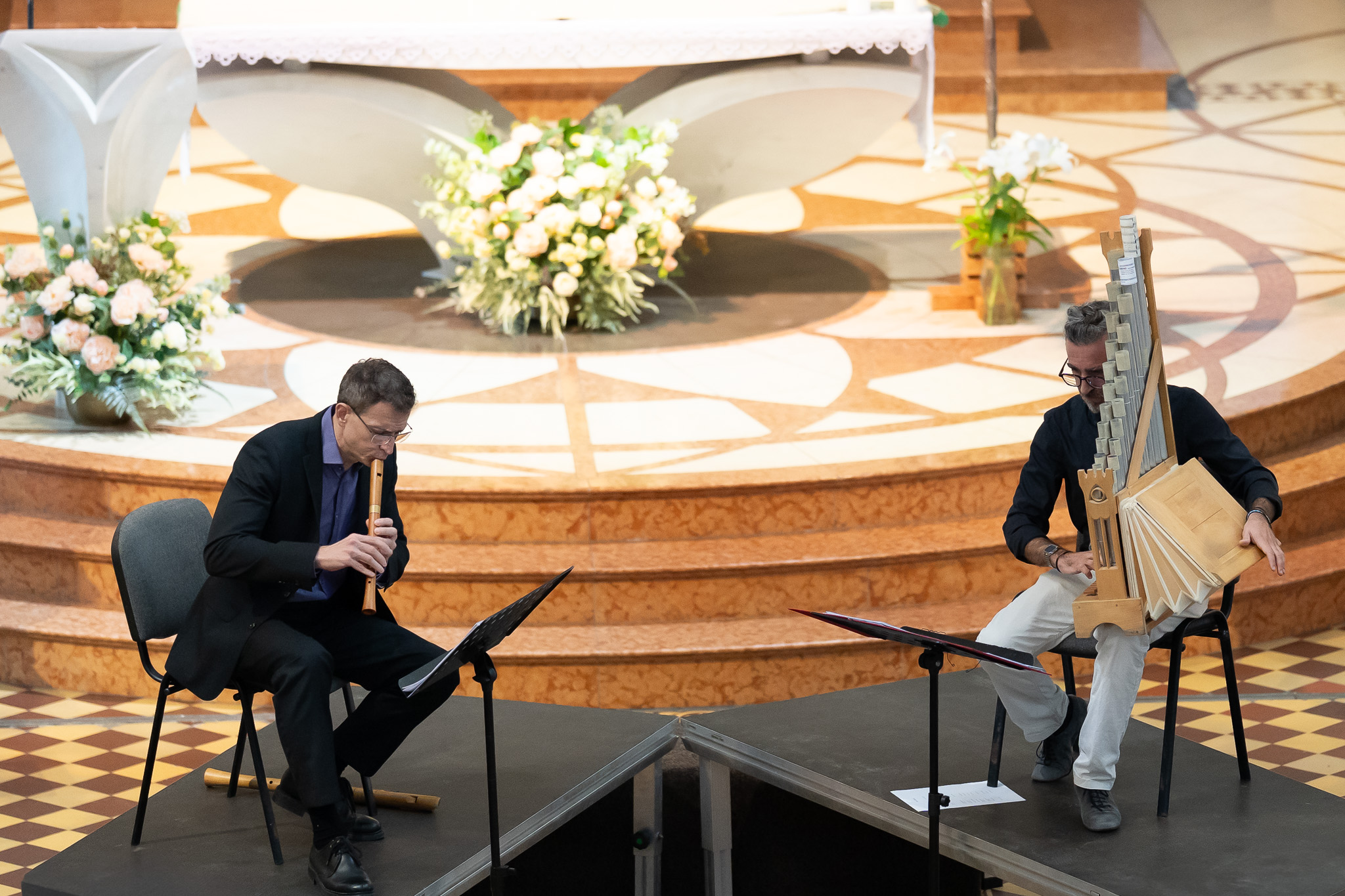
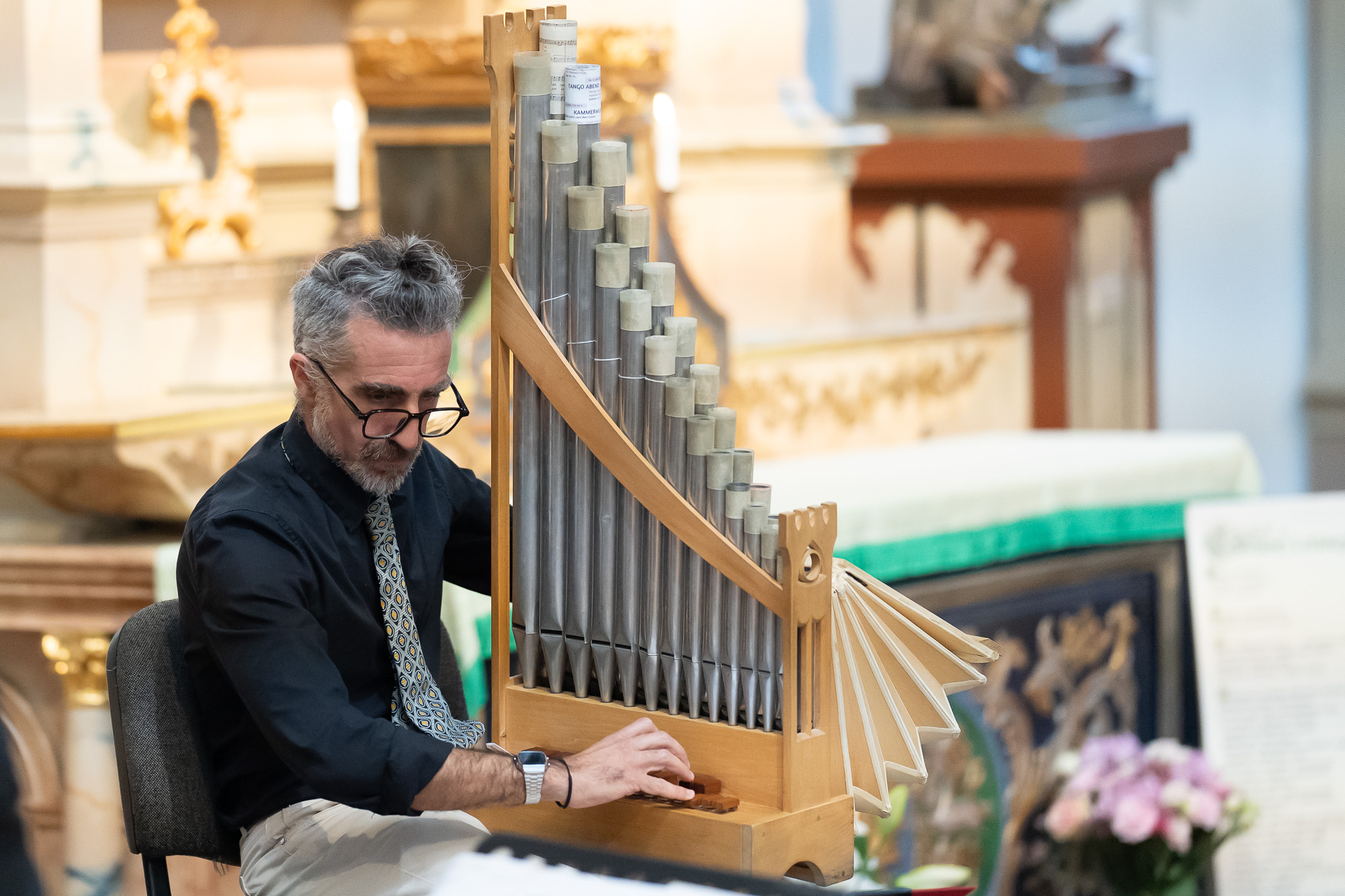
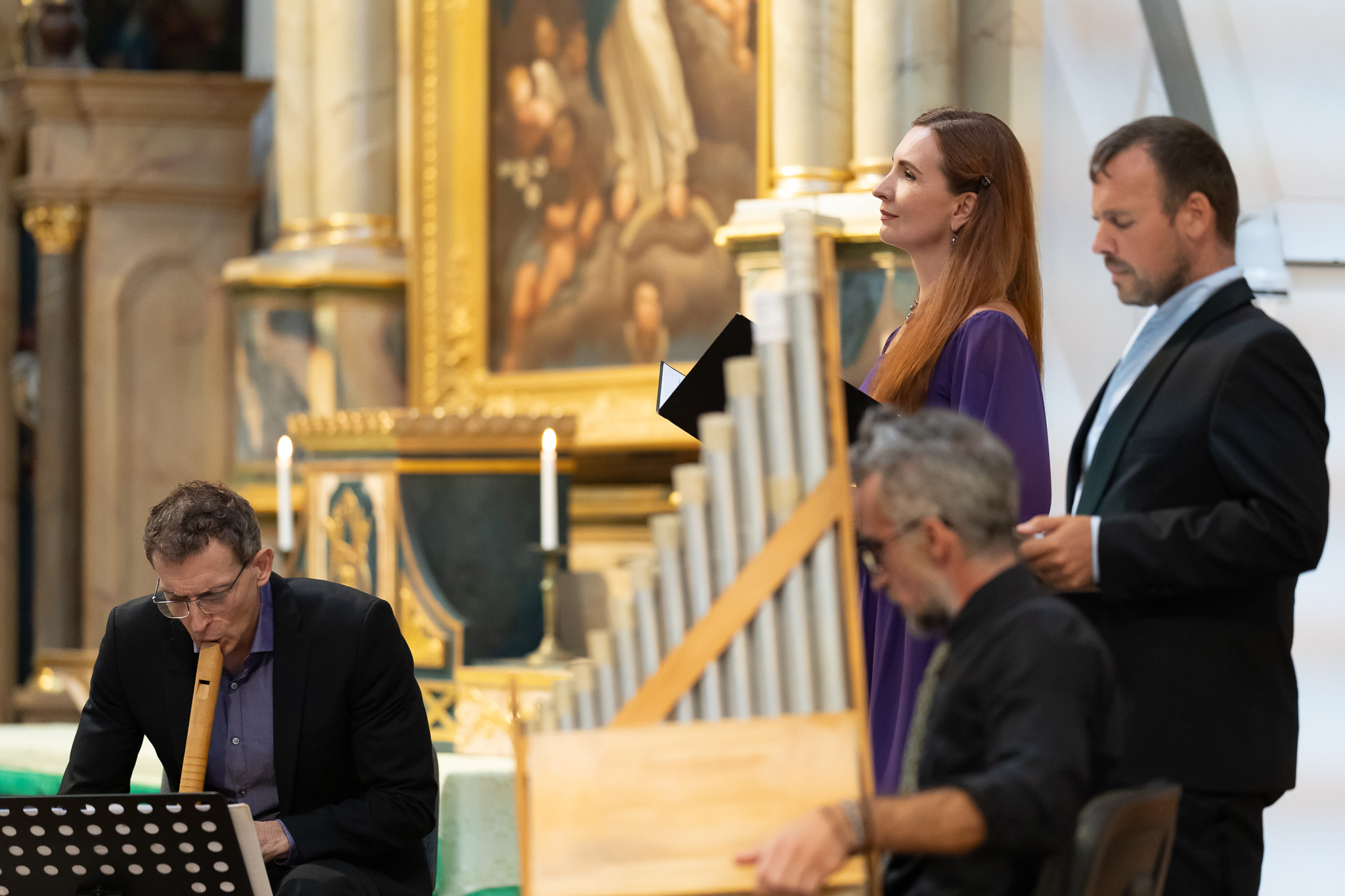
The organetto, a small portable organ, plays a crucial role in this repertoire. Widely used in the Trecento, especially in Italy, the organetto's expressive capacity, portability, and nuanced dynamics made it ideally suited for accompanying vocal lines or performing instrumental dances. It is prominently featured in the works of Landini, who himself was a master organist. Moreover, the organetto represents a key stage in the technological evolution of the pipe organ, bridging the gap between medieval portative instruments and the larger organs of the Renaissance. Its use in chamber and secular contexts helped to diversify organ building practices and extend the instrument’s expressive range beyond the liturgical setting.
Rodrigo Calveyra
Kretinga Franciscan Church
July 31, 2025
19:00
CHRISTOPHER LOWREY, countertenor (USA/UK), MICHAEL GARREPY, organ, harpsichord (USA)
%20Marieke%20Wijntjes-02.jpg)
Kretinga Franciscan Church
August 1, 2025
19:00
Ensemble VOX LUMINIS, artistic director LIONEL MEUNIER (Belgium)

Kretinga Franciscan Church
August 8, 2025
19:00
VINCENT BERNHARDT, organ (France)
Kretinga Museum Winter Garden
August 10, 2025
19:00
MARC MAUILLON, baritone (France), GABRIEL RIGNOL, luth (France)

Kretinga Franciscan Church
August 21, 2025
19:00
JOSUÉ MELÉNDEZ, cornetto (Mexico/Switzerland), FABIO DE CATALDO, sackbut (Italy), MARIA MOROZOVA, organ (Ukraine/Switzerland)

Kretinga Franciscan Church
August 23, 2025
19:00
CANTO FIORITO (Lithuania), RODRIGO CALVEYRA, artistic direction