

TIS NATURE'S VOICE: Music from England’s Shores


Kretinga Franciscan Church
July 31, 2025
19:00
CHRISTOPHER LOWREY, countertenor (USA/UK), MICHAEL GARREPY, organ, harpsichord (USA)


The fame of the distinguished Giovanni Pierluigi da Palestrina spread across the globe, crossing mountains, seas, and even oceans. The archives of the Cathedral of Los Ángeles in Puebla and the Cathedral of Mexico City preserve several books of masses by the renowned composer. Some of these manuscripts were hand-copied in 1729, providing clear evidence that his music continued to be performed in Mexico well into the 18th century.
On the other hand, the Mexican composer of Spanish origin Francisco López y Capillas (1608–1674), who worked as a bassoonist, singer, and chapel master in both Puebla and the Mexico City Cathedral, arranged to have several books of motets by Palestrina sent from Italy. These books were shipped from the city of Venice and, after a long journey, finally reached the composer’s hands. Inspired by them, López Capillas wrote two masses based on themes taken from the motets Quam pulchri sunt and Benedicta sit sancta Trinitas.
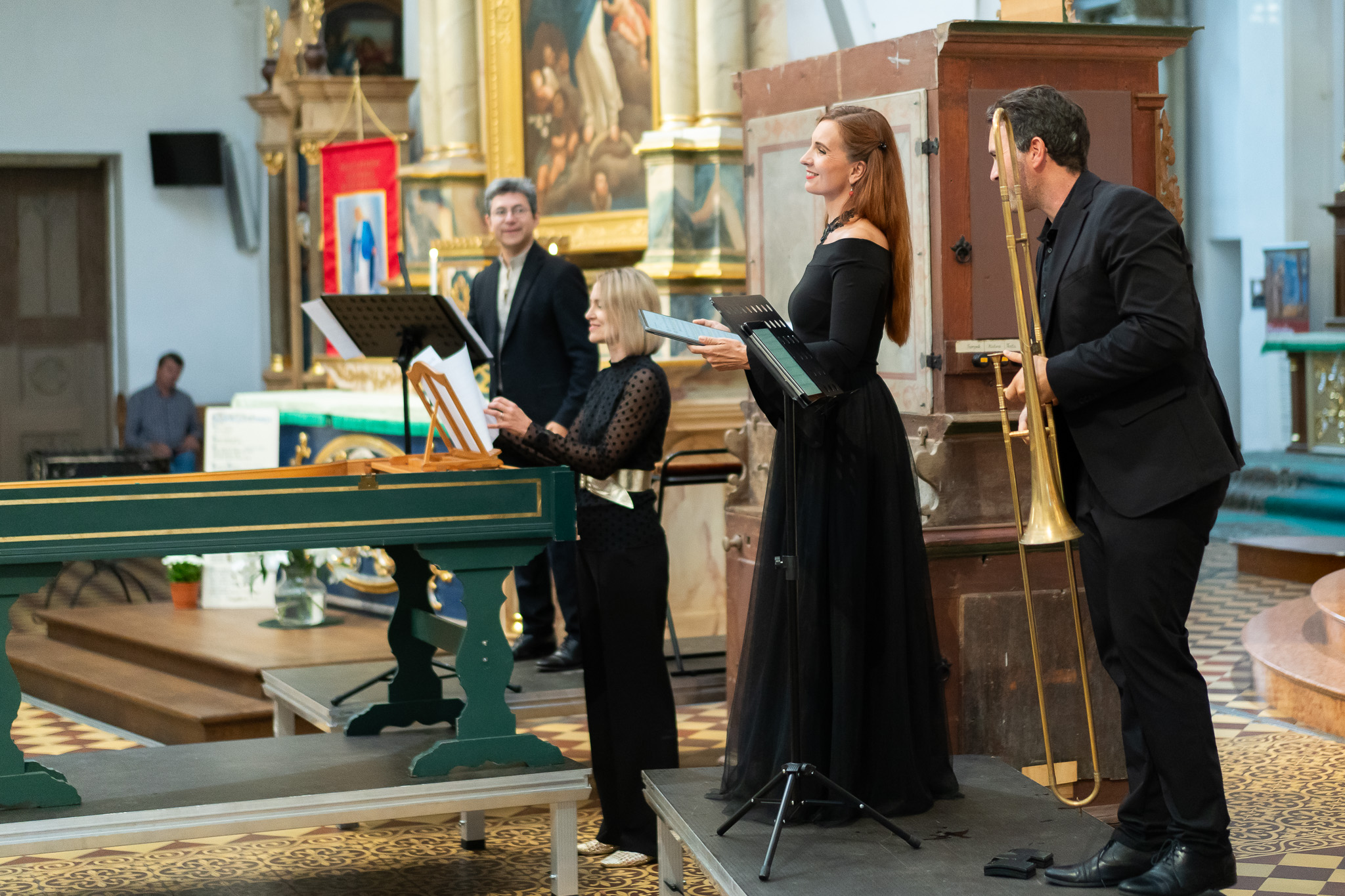
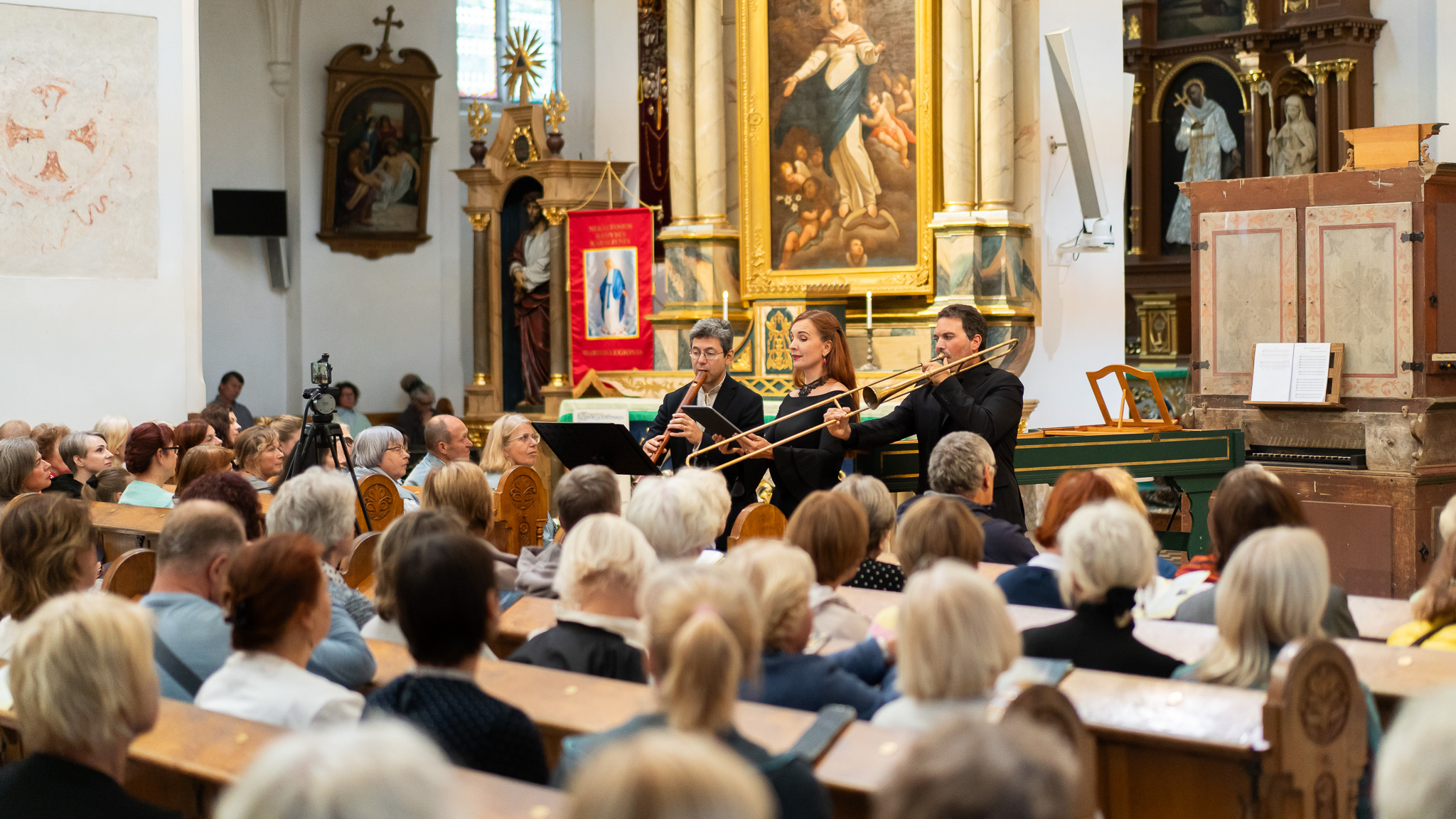
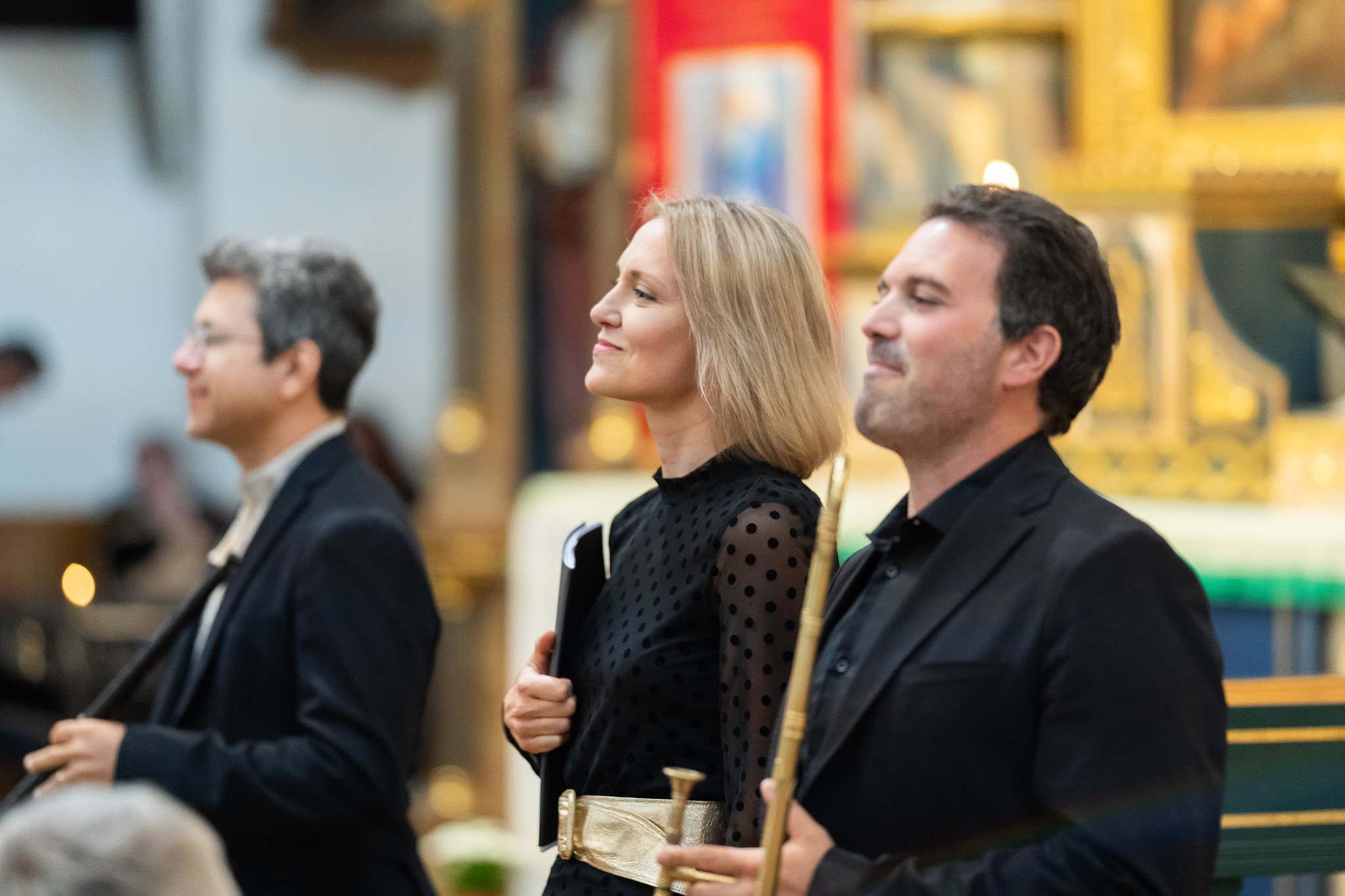
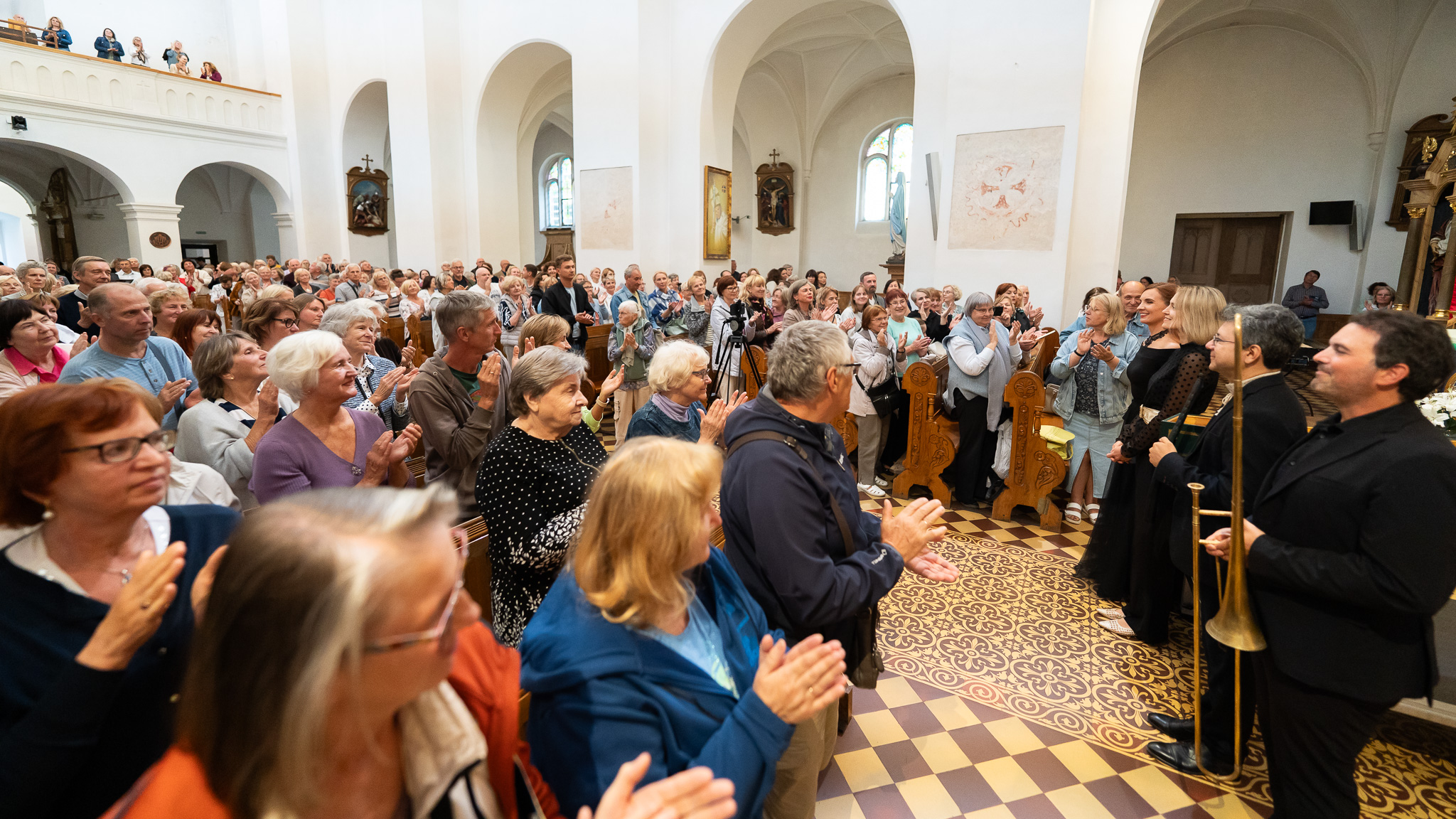
The musical program presented includes works by Palestrina rescued from Mexican archives, such as the finale of the mass Tu es pastor ovium and the motet Quam pulchri sunt. This splendid polyphony is contrasted with the Credo of the mass Quam pulchri sunt, by López y Capillas. In addition, other compositions by Palestrina but ornamented by 16th-century Italian musicians will also be performed. And to offer a broader vision of the 17th century Mexican polyphony, the program also includes pieces by other composers active in the cathedral of Puebla, such as Juan Gutiérrez de Padilla -teacher of numerous Mexican-born musicians- Juan Bermudez who was maestro de capilla in Guatemala and Puebla during the las decades of Palestrina’s live, and Francisco Vidales, who was organist during the times of Padilla and Lopez y Capillas.
Josué Meléndez
Kretinga Franciscan Church
July 31, 2025
19:00
CHRISTOPHER LOWREY, countertenor (USA/UK), MICHAEL GARREPY, organ, harpsichord (USA)
%20Marieke%20Wijntjes-02.jpg)
Kretinga Franciscan Church
August 1, 2025
19:00
Ensemble VOX LUMINIS, artistic director LIONEL MEUNIER (Belgium)

Kretinga Franciscan Church
August 8, 2025
19:00
VINCENT BERNHARDT, organ (France)
Kretinga Museum Winter Garden
August 10, 2025
19:00
MARC MAUILLON, baritone (France), GABRIEL RIGNOL, luth (France)
Kretinga Franciscan Church
August 12, 2025
19:00
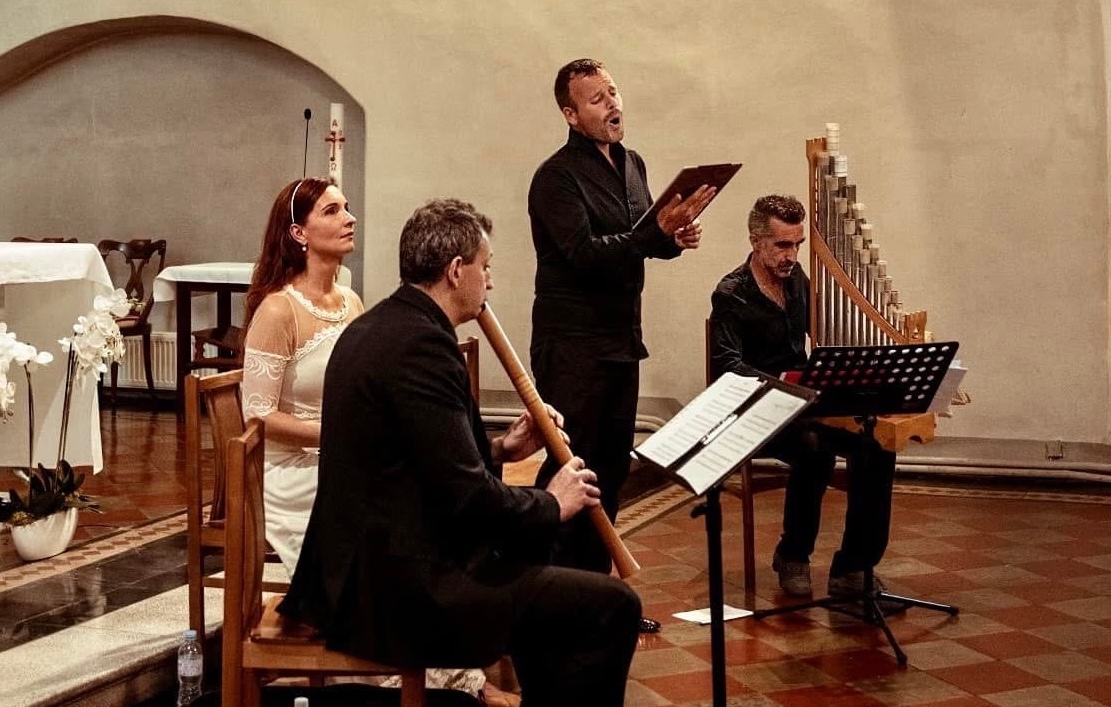
MARC MAUILLON, baritone (France), ROGER HELOU, organetto (Argentina/France)

Kretinga Franciscan Church
August 23, 2025
19:00
CANTO FIORITO (Lithuania), RODRIGO CALVEYRA, artistic direction