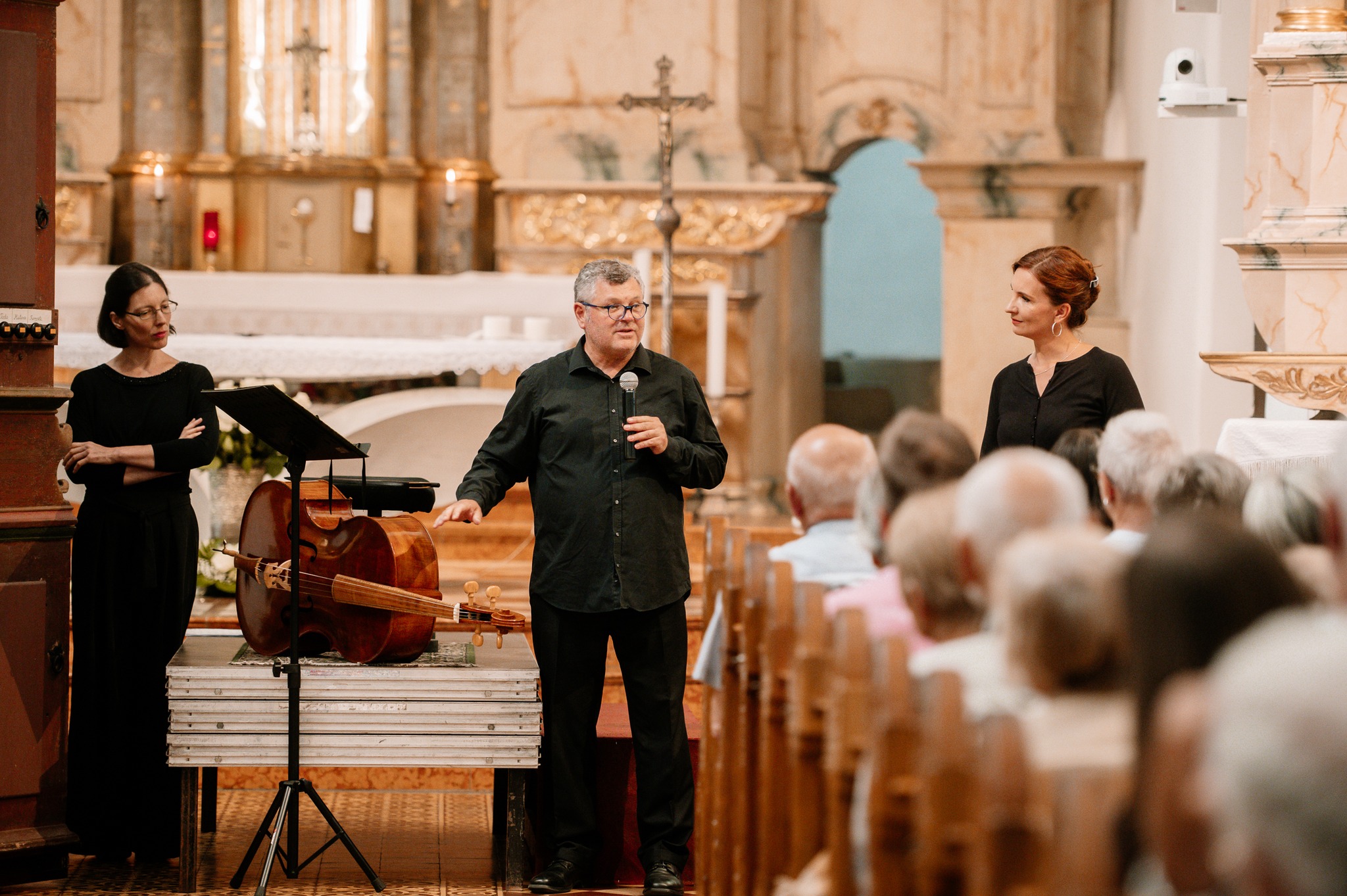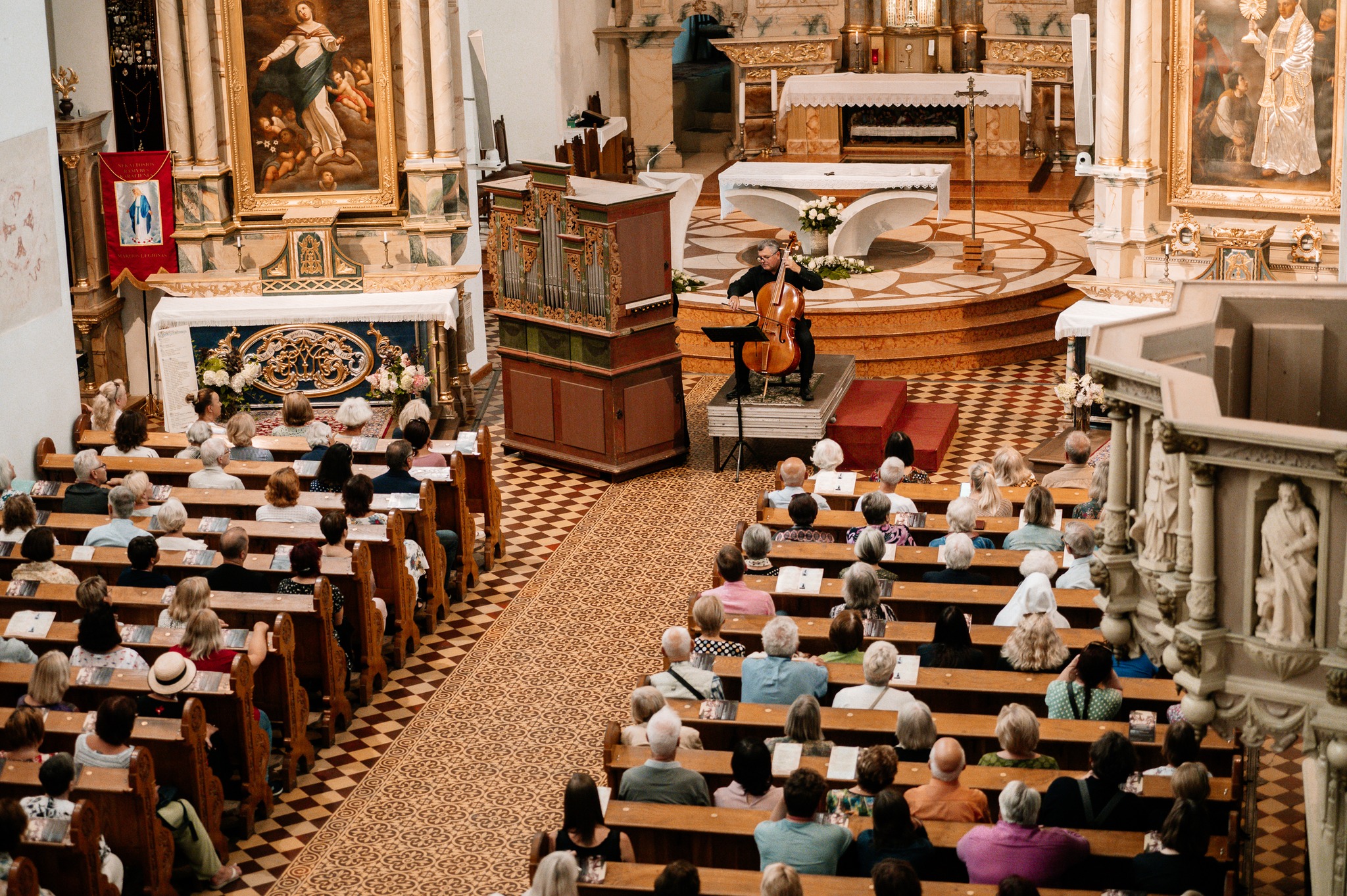

In the Renaissance and Baroque eras the bowed string instruments were represented by two rival „dynasties”: the Viola da Gamba family and the Viola da Braccio (Violin) family. Both of them origin most probably from the Middle East or North Africa and were brought to Europe in the late Middle Ages. The former came to courts relatively soon and found employment in Christian sacred music as well. While the Viols became the instruments of the noblesse, the Violin family remained in use by the „plebeians”, the lower class in profane surrounding, basically for folk music. This situation started to change during the 16th century when the Violin family gradually entered the courts. Musicians started to play increasingly artistic music on them, and luthiers created more and more refined models.
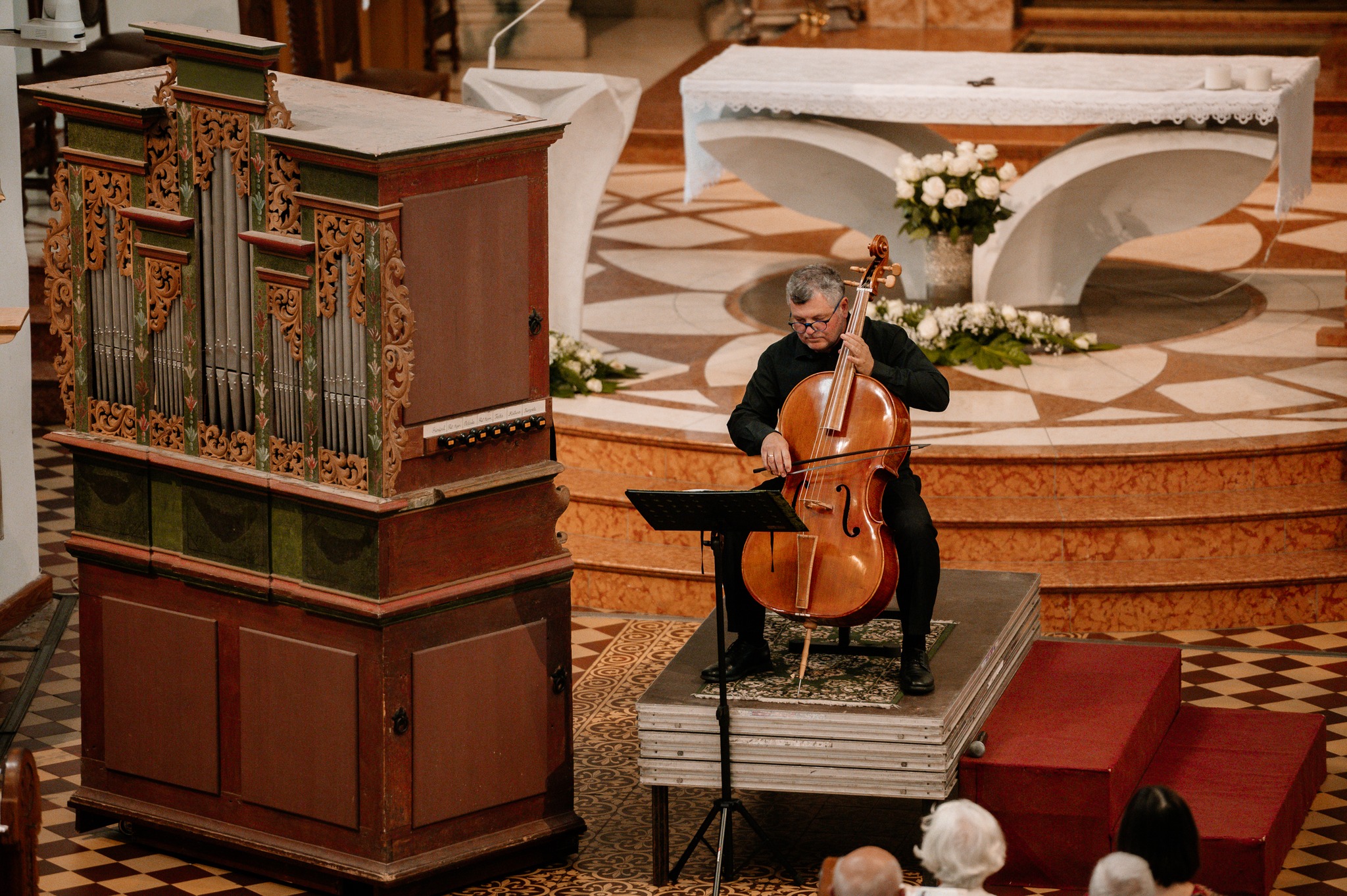
The Basso di Viola da Braccio or Basso di Violino (Bass Violin) was the lowest-tuned member of the Violin Consort, containing 5 to 7 instruments of different sizes and tunings according to their registers. The Bass Violin had the role of harmonic fundament (similar to the bass instruments of other instrument families) accompanying the upper voices, playing relatively simple and less virtuoso parts than the higher-tuned ones. However, through the development of playing techniques new abilities of musical expression emerged and composers started to write some soloist works for them as well.
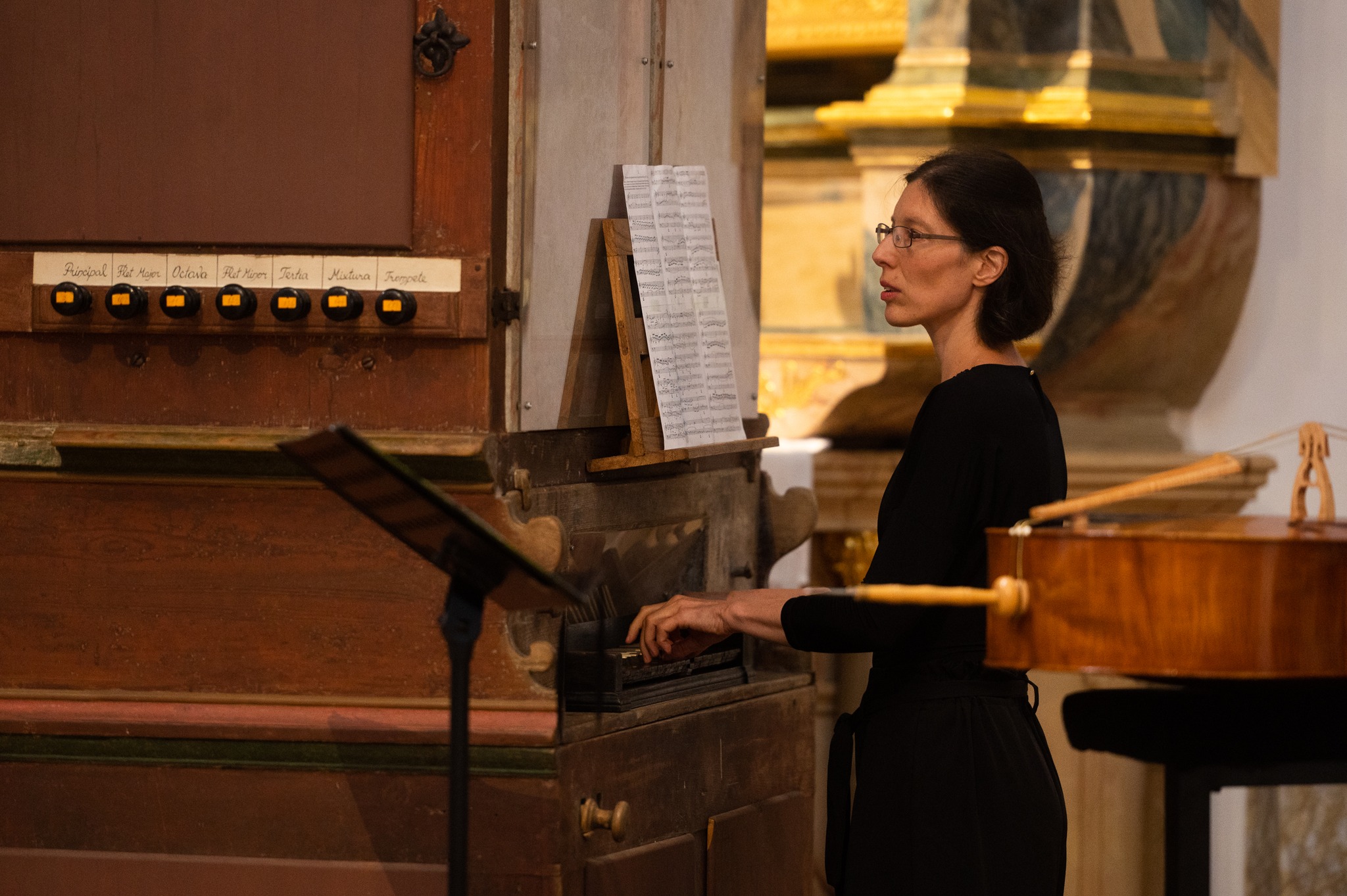
The program contains this relatively rare music of the 17th century for Bass Violin, composed for the most „ambitious” players of Basso di Violino, in combination with works taken from opuses where the composer indicates (typically for contemporary practice) alternative instrumentations, as well as pieces for solo keyboard instruments – organ and harpsichord.