
The Spanish Golden Age, or the "Siglo de Oro," as it is commonly known, was a period when arts and literature reached their summit in Spain, a consequence of the political rise of the Spanish Empire under the Catholic monarchs of Spain and the Spanish Habsburgs. Historians symbolically place the beginning of this period in 1492, a very significant year: the end of the "Reconquista," the retaking of the Iberian territories from the Moors, Columbus's trip to the New World, and the publication of the first Castilian language grammar. The end of the period is commonly considered in 1659, marking the end of the Franco-Spanish War.
These were very prosperous times when the arts flourished throughout the entire country. In music, the 16th century was dominated by Tomás Luis de Victoria, Cristóbal de Morales, and Francisco Guerrero, who were among the most important composers in Europe during that era.
It's worth mentioning that during that period, the Kingdom of Naples (South Italy and Sicily) belonged to the Kingdom of Aragon, one of the most powerful dynasties in Spain. As a consequence, an unprecedented cultural exchange took place between the two countries, which helped shape a unique music style found in the works of Sigismondo d’India, Giovanni Maria Trabacci, and Cataldo Amodei.
From 1556 to 1714, the Spanish branch of the Habsburgs ruled the Spanish Netherlands, a region that encompassed the territory which is nowadays the South of the Netherlands and almost the entire Belgium. Mateo Romero was a Belgium-born Spanish composer who worked as a kapellmeister in the Flemish chapel, one of the two choirs employed by King Philip II of Spain, the other being the Spanish chapel. Romero was one of the most appreciated composers of his time, known as "El maestro capitán."
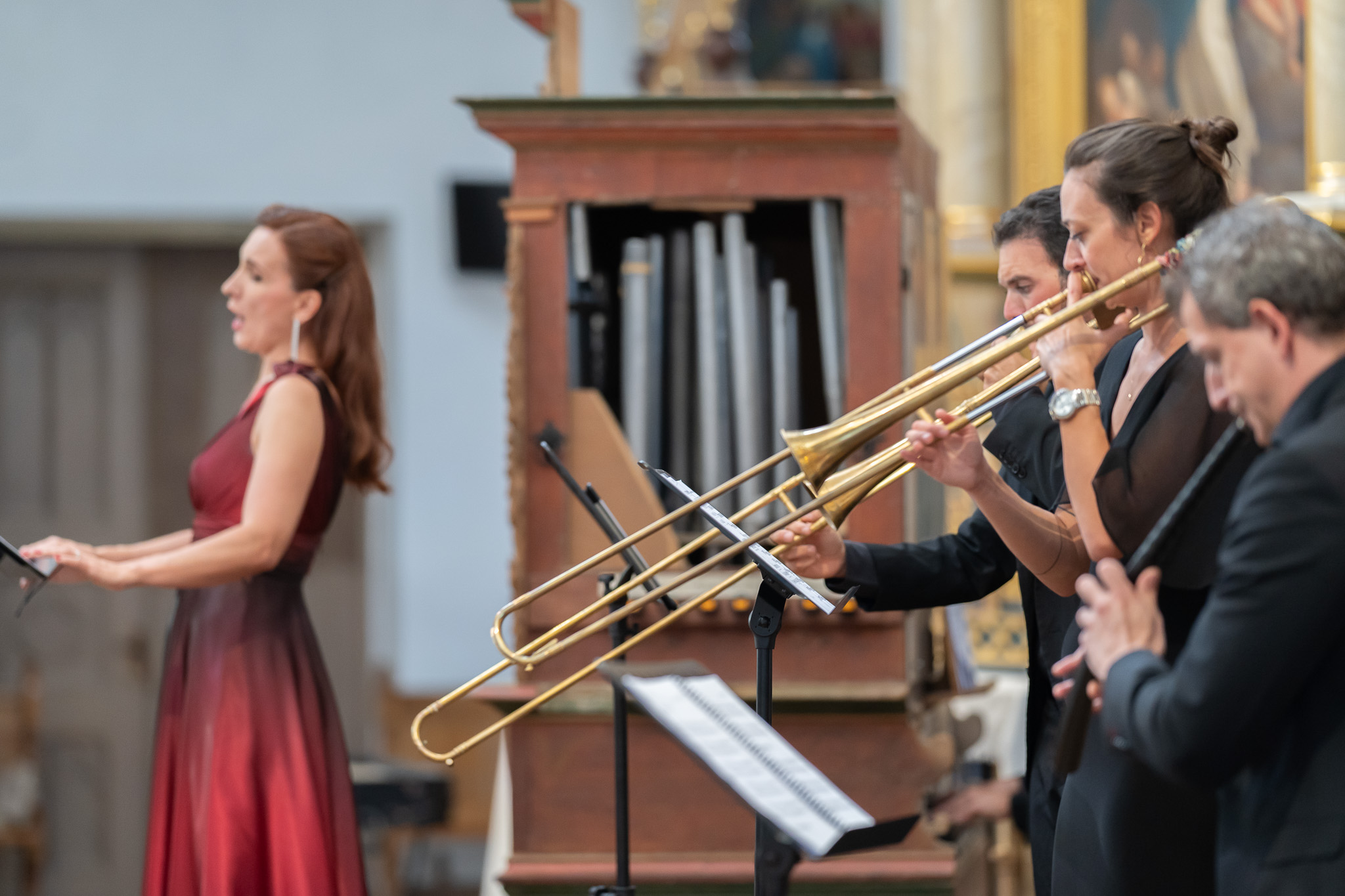
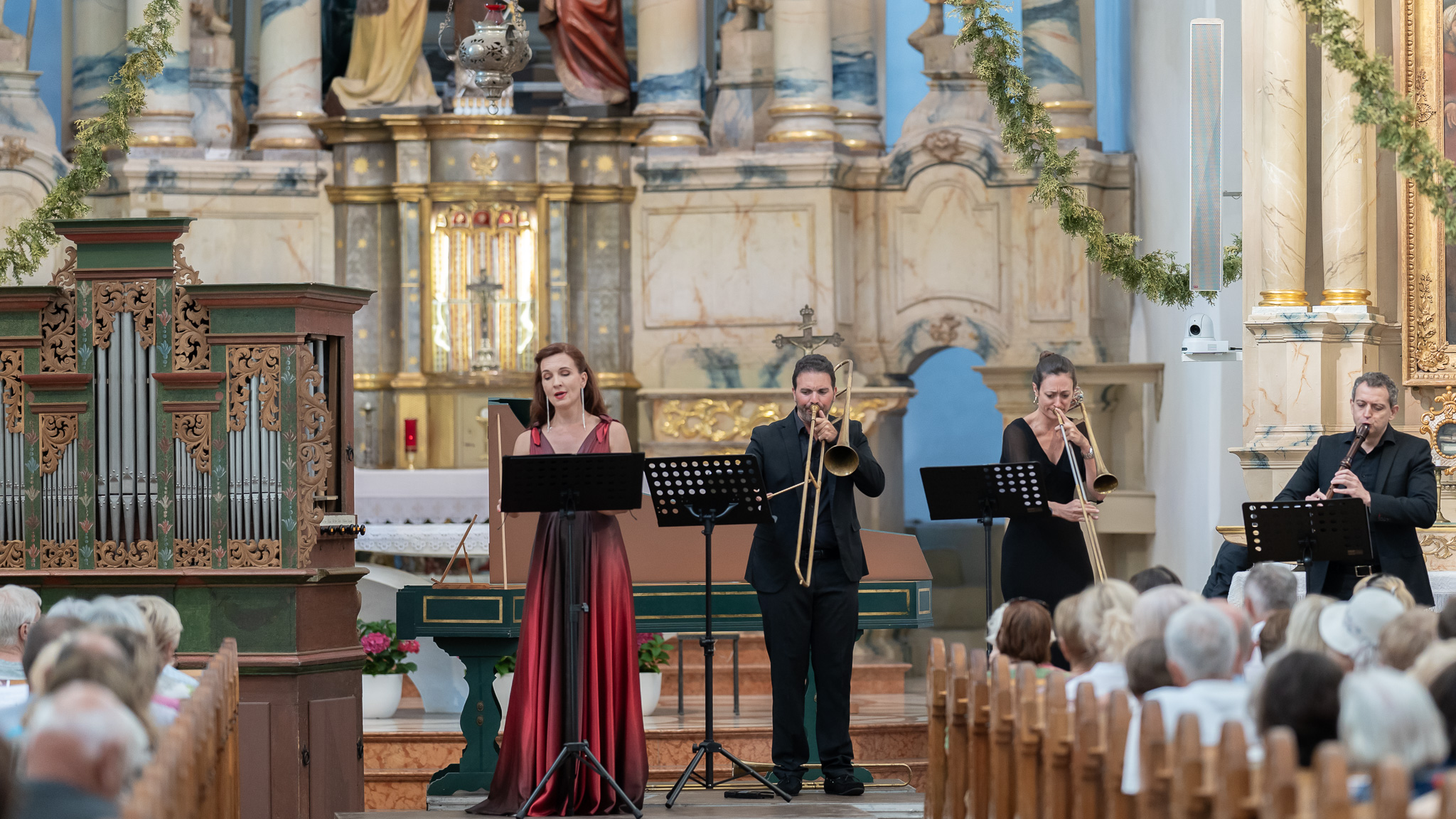
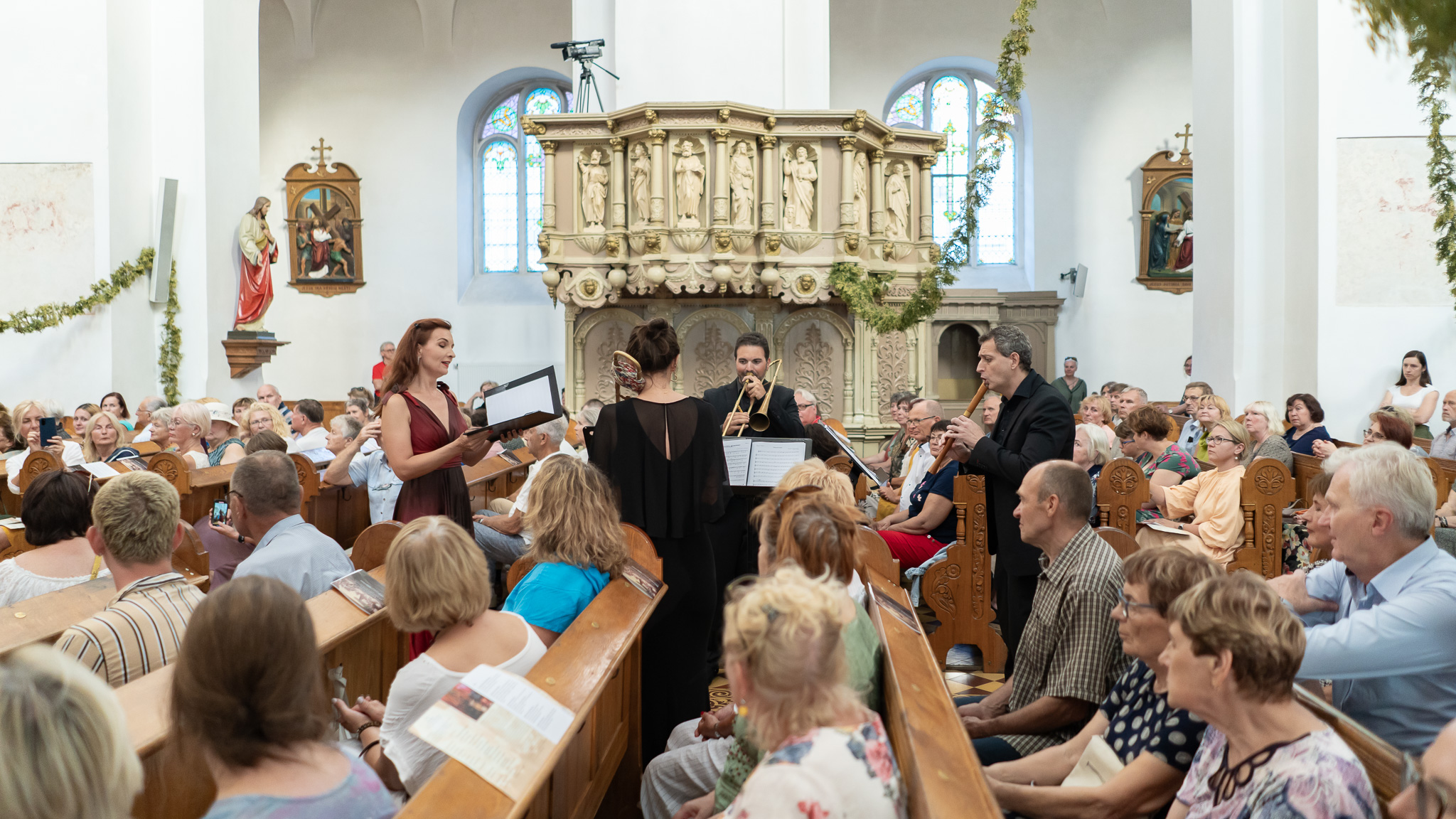
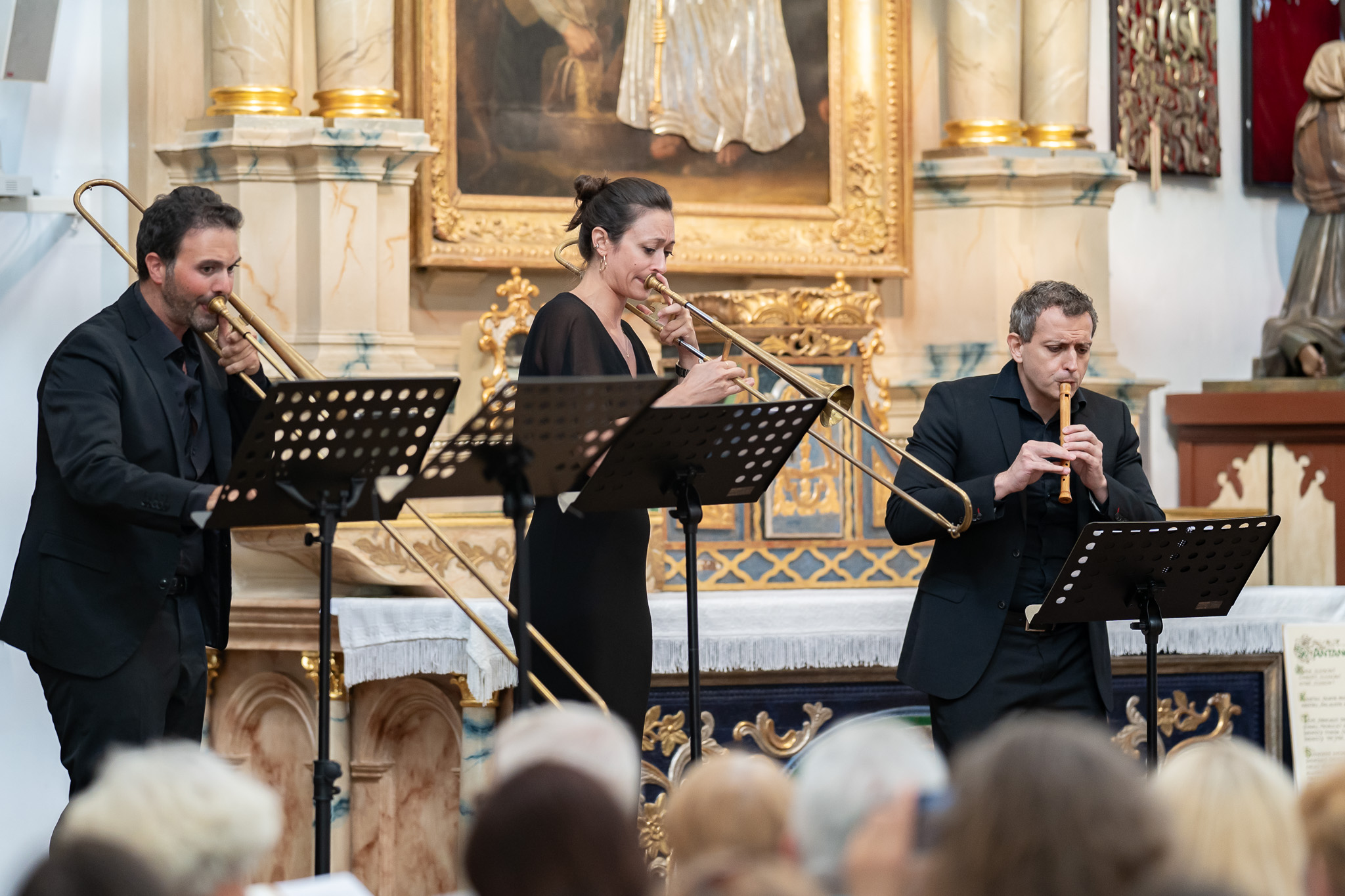
"Siglo de Oro" is a program conceived to reveal the fascinating diversity of the sacred and secular music of the Spanish Golden Age.