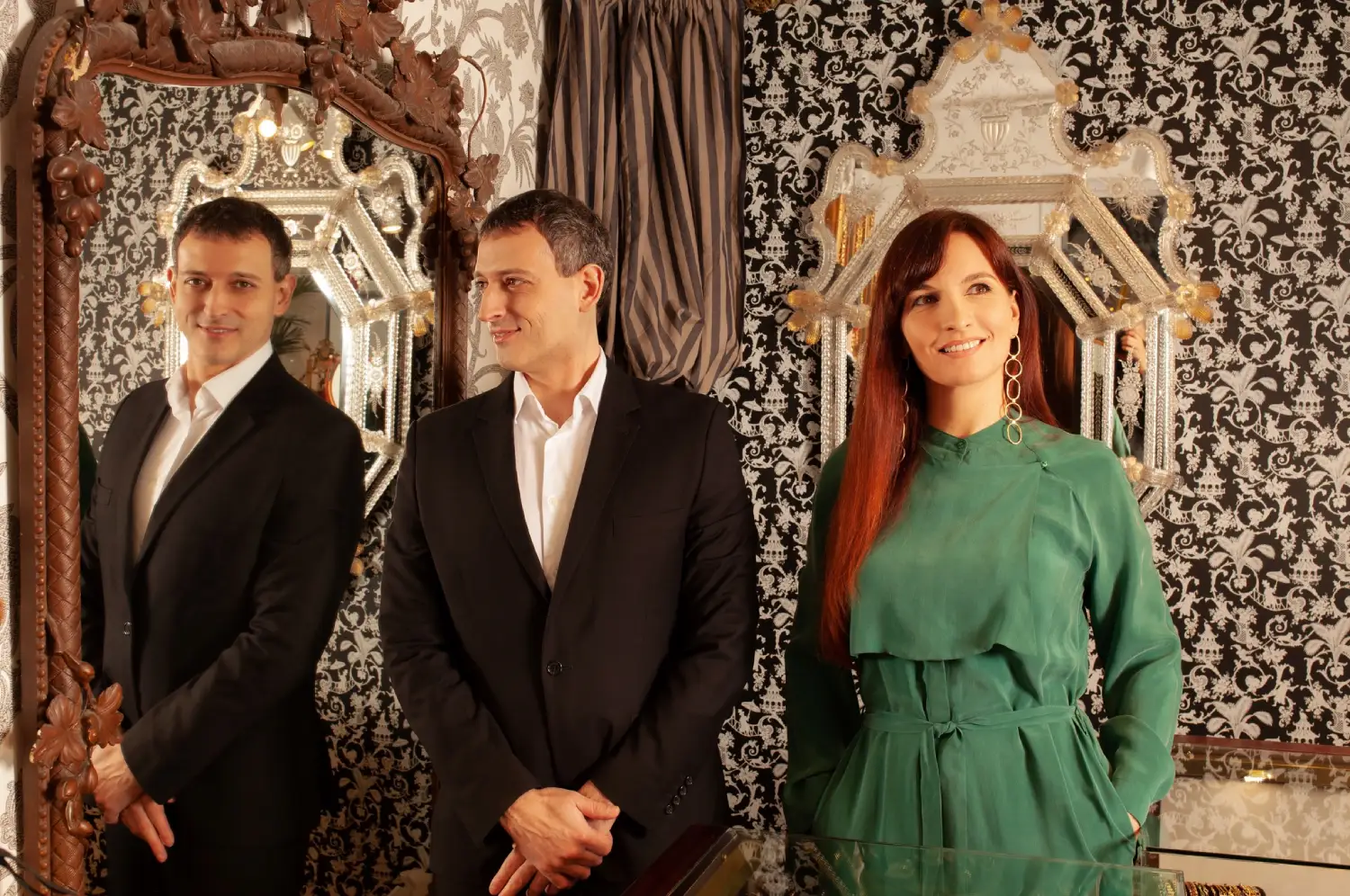

CANTO FIORITO (Lithuania): RODRIGO CALVEYRA, artistic director, RENATA DUBINSKAITĖ, mezzo-soprano
Hardly any composer has had such a profound impact on the history of music as Giovanni Gabrieli. Although he lived during the transition from the 16th to the 17th century, as a composer he remained essentially rooted in the 16th-century prima prattica. Famous students such as Heinrich Schütz and Hans Leo Hassler, as well as colleagues like Giovanni Valentini, were strongly influenced by Gabrieli’s work and, through their travels across the Alps, brought it to Northern Europe, where the triumphant rise of magnificent polychoral music in Gabrieli’s style took hold.
FRANCESCO USPER (1561–1641) Canzon prima à 8
(Compositione armoniche, Venice 1619)
GIOVANNI GABRIELI (1557–1612) Canzon XII à 8
(Canzoni et sonate, Venice 1615)
CLAUDIO MERULO (1533–1604) Toccata del terzo tuono
(Girolamo Diruta, Il Transilvano, Venice 1597)
GIOVANNI PRIULI (1575–1626) Canzon prima à 8
(Sacrorum concentum, pars prima, Venedig 1618)
GIOVANNI VALENTINI (ca 1582–1649) Canzon à 6
(Canzoni, Libro primo, Venice 1609)
BIAGIO MARINI (ca 1587–1663) Canzone prima à 4 cornetti
(Sonate, symphonie, opera ottava, Venedig 1626)
GIOVANNI A. BERTOLI (1598– after 1645) Sonata prima per fagotto solo
(Compositioni musicali, Venice 1645)
GIOVANNI GABRIELI. Canzon primi toni à 8
(Sacrae symphoniae, liber primus, Venice 1597)
GIUSEPPE SCARANI (17th century) Sonata XVI à 3
(Sonate concertate a due e tre voci, Venice 1630)
CHRISTIAN ERBACH (ca 1585–1635) Canzona secundi toni
(Ms., Berlin, Staatsbibliothek, Ms. Mus. 40615)
MASSIMILIANO NERI (ca 1615–ca 1666) Sonata XII à 9
(Sonate da sonarsi con varii stromenti, op. 2, Venice 1651)
SAMUEL SCHEIDT (1587–1654) Courante dolorosa à 4 voc.
(Ludi Musici, Pars prima, Hamburg 1621)
HEINRICH SCHEIDEMANN (1595–1663) Praeambulum ex clave C
(Ms., Lüneburg, Ratsbücherei, Mus. ant. pract. KN 207/15)
FRANCESCO CAVALLI (1602–1676) Canzon à 8
(Musiche Sacrae, Venice 1656)
ANONYMUS. Sinfonia à 8
(MS, Kremsir)
GIOVANNI GABRIELI. Toccata del secondo tuono
(Girolamo Diruta, Il Transilvano, Venice 1597)
GIOVANNI GABRIELI. Canzon septimi toni I à 8
(Sacrae symphoniae, liber primus, Venice 1597)
LES CORNETS NOIRS (Switzerland):
Frithjof Smith, Gebhard David & Josue Melendez Pelaez – cornetti
Simen Van Mechelen & Julia Fischer – sackbuts
Jeremie Papasergio – dulcian
Joost Swinkels – bass sackbut
Johannes Strobl - organ
The ensemble Les Cornets Noirs was founded in 1997 by Gebhard David and Bork-Frithjof Smith.
The ensemble's principal focus is the solo and ensemble repertoire for the instrument from which it takes its name: the cornett (Italian cornetto, French cornet). Because of its leather covering, the instrument is also known as the "black cornett" (schwarzer Zink). It flourished from the mid-sixteenth to the late seventeenth century, particularly in Italy and Germany. Within this historical and geographical framework, the ensemble explores a fascinating repertoire, much of which remains little known.
In 2000, Les Cornets Noirs won the Concours Musica Antiqua at the Festival van Vlaanderen Brugge. Since then, the ensemble has performed throughout Switzerland, Austria, Germany, the Czech Republic, Poland, Luxembourg, the Netherlands, France, Italy and Portugal, presenting its own programmes as well as collaborating with distinguished conductors and vocal ensembles.
A particular artistic focus is the large-scale sacred repertoire of the early and high Baroque by Giovanni Gabrieli, Claudio Monteverdi, Heinrich Schütz, Johann Stadlmayr, Antonio Bertali, Heinrich Ignaz Franz Biber and Georg Muffat. In the field of sacred and chamber music, the ensemble regularly develops innovative projects with internationally acclaimed vocal soloists including Nuria Rial, Miriam Feuersinger, Ulrike Hofbauer, Hans Jörg Mammel and Wolf Matthias Friedrich.
The ensemble's debut recording, “O dilectissime Jesu” (motets and sonatas by Giovanni Legrenzi, with Monika Mauch; Edition Alte Musik ORF, 2004), received enthusiastic acclaim from audiences and critics alike. It was followed by the equally successful Echo & Risposta (audite, 2009), featuring seventeenth-century polychoral instrumental music recorded in the Abbey Church of Muri on the historic 1743 Bossart organs, and Schätze aus Uppsala (Raumklang, 2012), devoted to music from the Düben Collection with Wolf Matthias Friedrich.
The SACD Polychoral Splendour, recorded together with the vocal ensemble Cappella Murensis, featuring polychoral psalms by Heinrich Schütz and canzonas by Giovanni Gabrieli performed from the four galleries of the Abbey Church of Muri, received the International Classical Music Awards 2013.
In 2016, the two ensembles released two further recordings on the audite label: Paradisi gloria, dedicated to the sacred music of Leopold I, Holy Roman Emperor, and a recording featuring Georg Muffat's monumental 24-part Missa in labore requies together with church sonatas by his contemporaries.


Kretinga Franciscan Church
August 1, 2026
19:00
CANTO FIORITO (Lithuania): RODRIGO CALVEYRA, artistic director, RENATA DUBINSKAITĖ, mezzo-soprano


Kretinga Franciscan Church
August 4, 2026
19:00
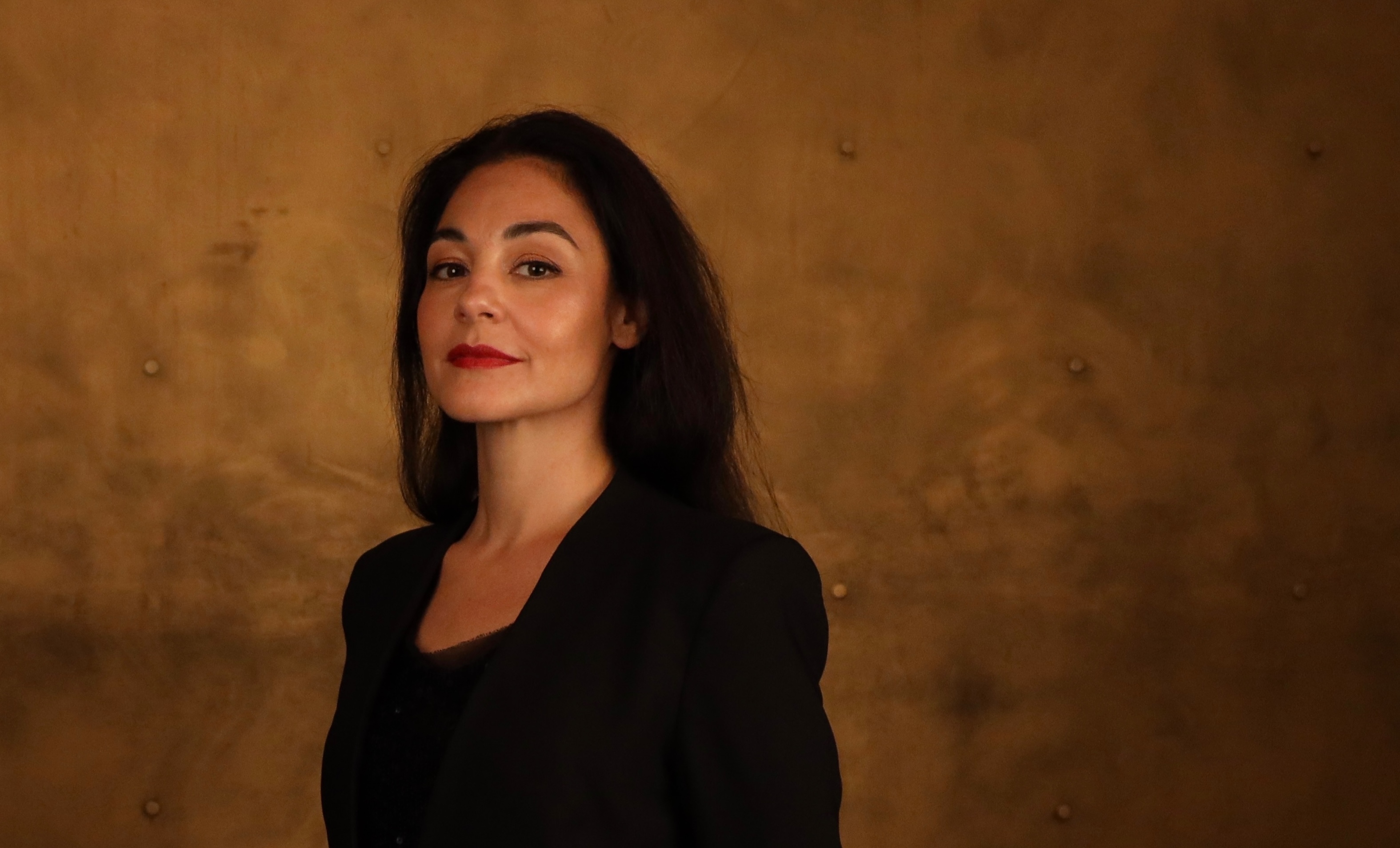
MARIA CRISTINA KIEHR, soprano (Argentina / Switzerland), ARIEL ABRAMOVICH, vihuelas de mano (Argentina / Spain)

Kretinga Franciscan Church
August 9, 2026
19:00
ANA QUINTANS, soprano, FERNANDO MIGUEL JALÔTO, organ (Portugal)


Kretinga Franciscan Church
August 13, 2026
19:00
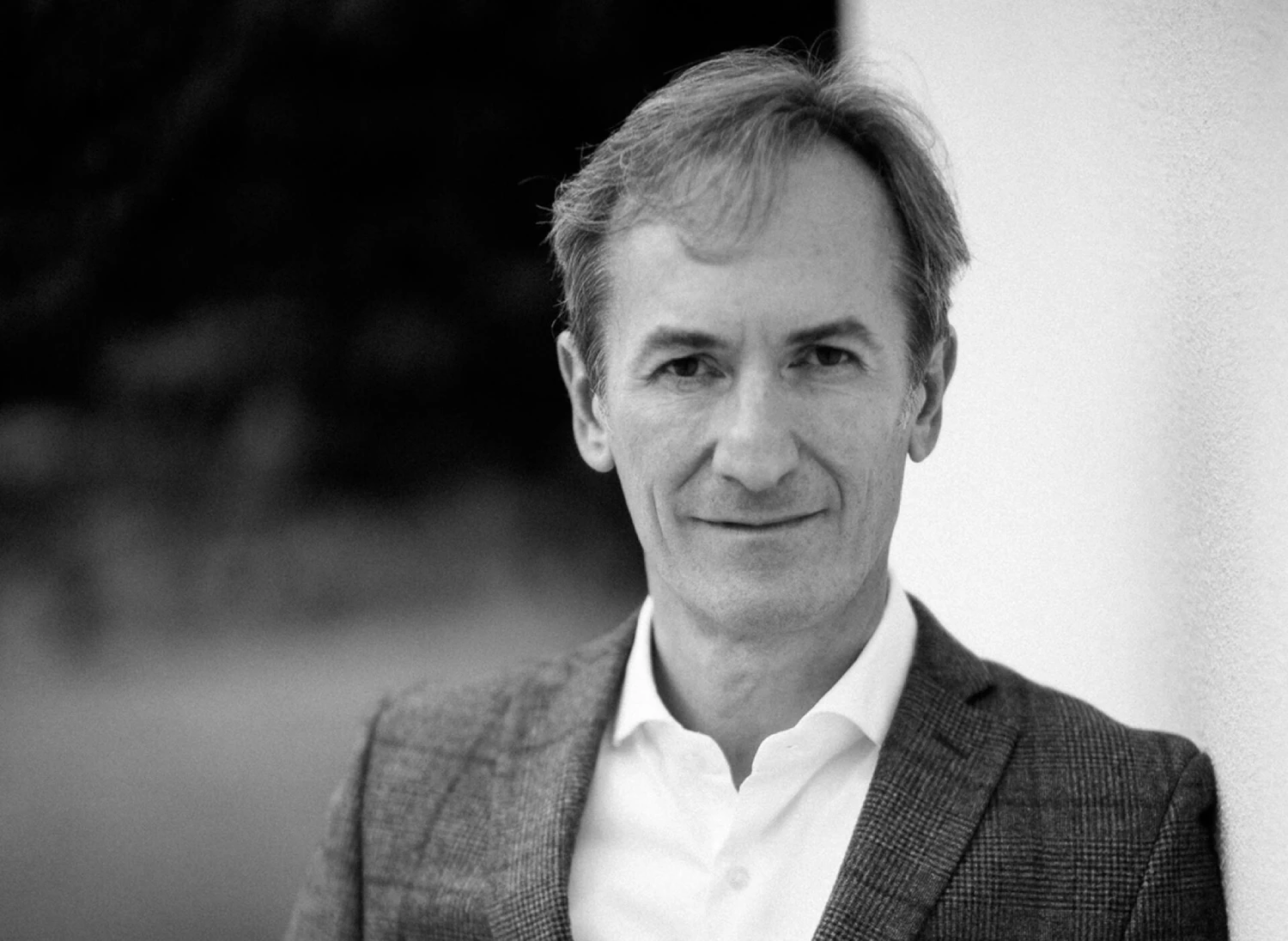
RODOLFO RICHTER, violin (Brazil / UK), JAMES JOHNSTONE, organ (UK)

Kretinga Franciscan Church
August 14, 2026
19:00
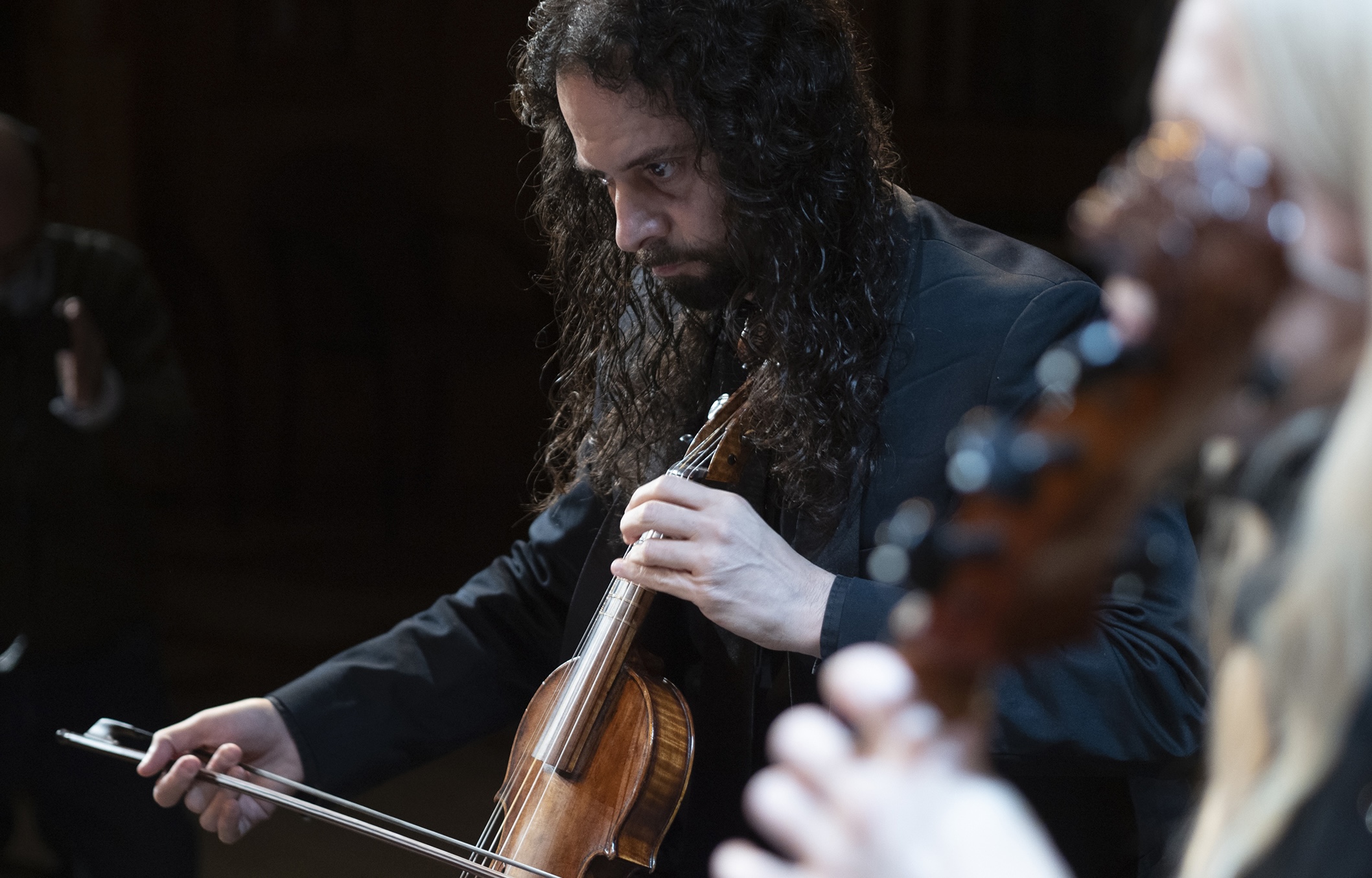
MASSIMILIANO RASCHIETTI, organ (Italy)

Kretinga Franciscan Church
August 16, 2026
19:00
ACCADEMIA DEL PIACERE (Spain): FAHMI ALQHAI, artistic direction