

Echoes of Venice


Kretinga Franciscan Church
2026-07-30
19:00
LES CORNETS NOIRS (Switzerland)


The «gift of tears» is a profound spiritual experience, frequently cited in Christian tradition and others, where uncontrollable tears arise during prayer, worship, or confession. It represents a softening of a «heart of stone», bringing healing, contrition, compassion, and a deep union with God, being considered a gift of the Holy Spirit that purifies and renews the soul. It is not seen merely as a human emotion, but a grace that unites compunction (sorrow for sin) with the joy of divine mercy. Christ himself set an example of the value of tears, when he wept for the death of his friend Lazarus, or before Jerusalem, foreseeing its ruin. Tears are associated with intense prayer, meditation on the passion of Christ, or awareness of one's own fragility, providing comfort, inner healing, and a sense of being loved by God.
In the iconography of Western art from the modern period, tears are represented primarily as an indispensable attribute of the repentant sinner, being inseparable, especially in Italian art from the 16th to the 18th centuries, from figures such as Mary Magdalene or St. Peter after the denial of Christ. The tears of the Virgin Mary are also a constant theme, but more predominantly in the art of the Iberian world, where devotion to the sorrows of the Mater Dolorosa which, despite its origin in Northern Europe, gains prominence in the Spanish and Portuguese cultural spheres, especially due to the influence of the Habsburgs.
The direct transposition into contemporary music, whether straight from devotional and edifying texts or through the influence of iconography, occurs naturally, since all the arts share the same language and imagery during this period. Works on the Passion, above all, but also oratorios, cantatas, and motets that deal with penance, contrition, repentance, or contemplation not only of the sufferings of Christ and the Virgin, but also of moments of grace and elevation, such as in the adoration of the Blessed Sacrament, are punctuated by the musical representation of tears—even when these are not directly mentioned in the text, but implicitly suggested.
An immense vocabulary of rhetorical figures was developed, and used more or less consciously: chromaticism, dissonant intervals and harmonies, successions of suspensions, sinuous melodies, the affective use of pauses to interrupt the discourse, evoking sobs, and exquisite ornamentation are just some of the tools available, shared by composers — and amplified by performers — throughout Baroque Europe. Our program, in the format of an intimate spiritual concert, revisits some of these topics through the lens of the Catholic world of Southern Europe—Italy, Spain, and Portugal—revisiting some composers well- known to the public but combined with others that are unfortunately and unfairly more distant from concert programs and deserve equal appreciation.
Fernando Miguel Jalôto
April 2026
The patron of the concert - José Costa Pereira, Ambassador of Portugal to Estonia, Latvia and Lithuania
Kretinga Franciscan Church
2026-07-30
19:00
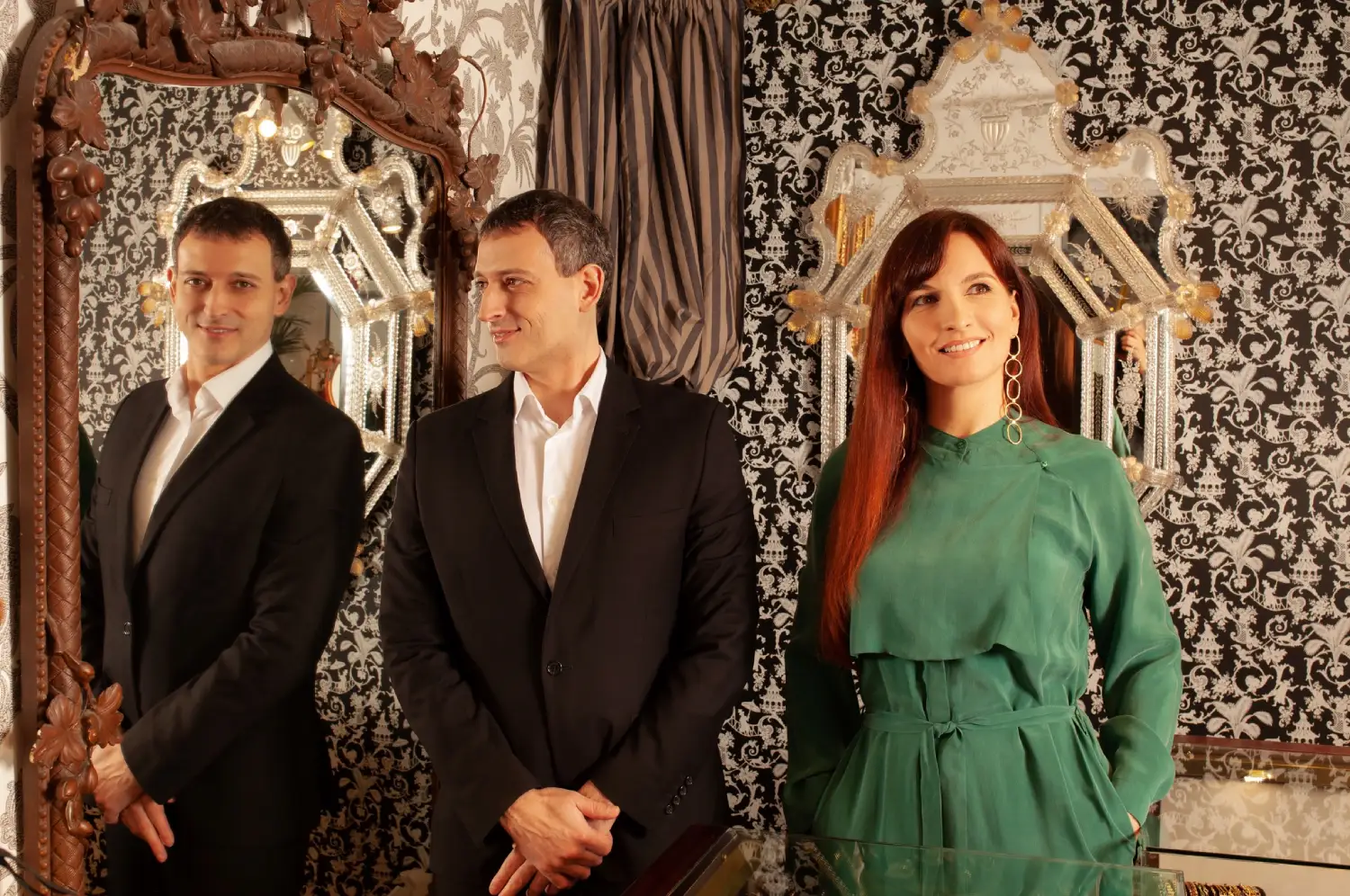
LES CORNETS NOIRS (Switzerland)
Kretinga Franciscan Church
2026-08-01
19:00
CANTO FIORITO (Lithuania): RODRIGO CALVEYRA, artistic director, RENATA DUBINSKAITĖ, mezzo-soprano

Kretinga Franciscan Church
2026-08-04
19:00
DUE TO THE SUDDEN ILLNESS, THE PERFORMERS HAVE CHANGED! MARIA CRISTINA KIEHR, soprano (Argentina / Switzerland), ARIEL ABRAMOVICH, vihuelas de mano (Argentina / Spain)

Kretinga Franciscan Church
2026-08-13
19:00
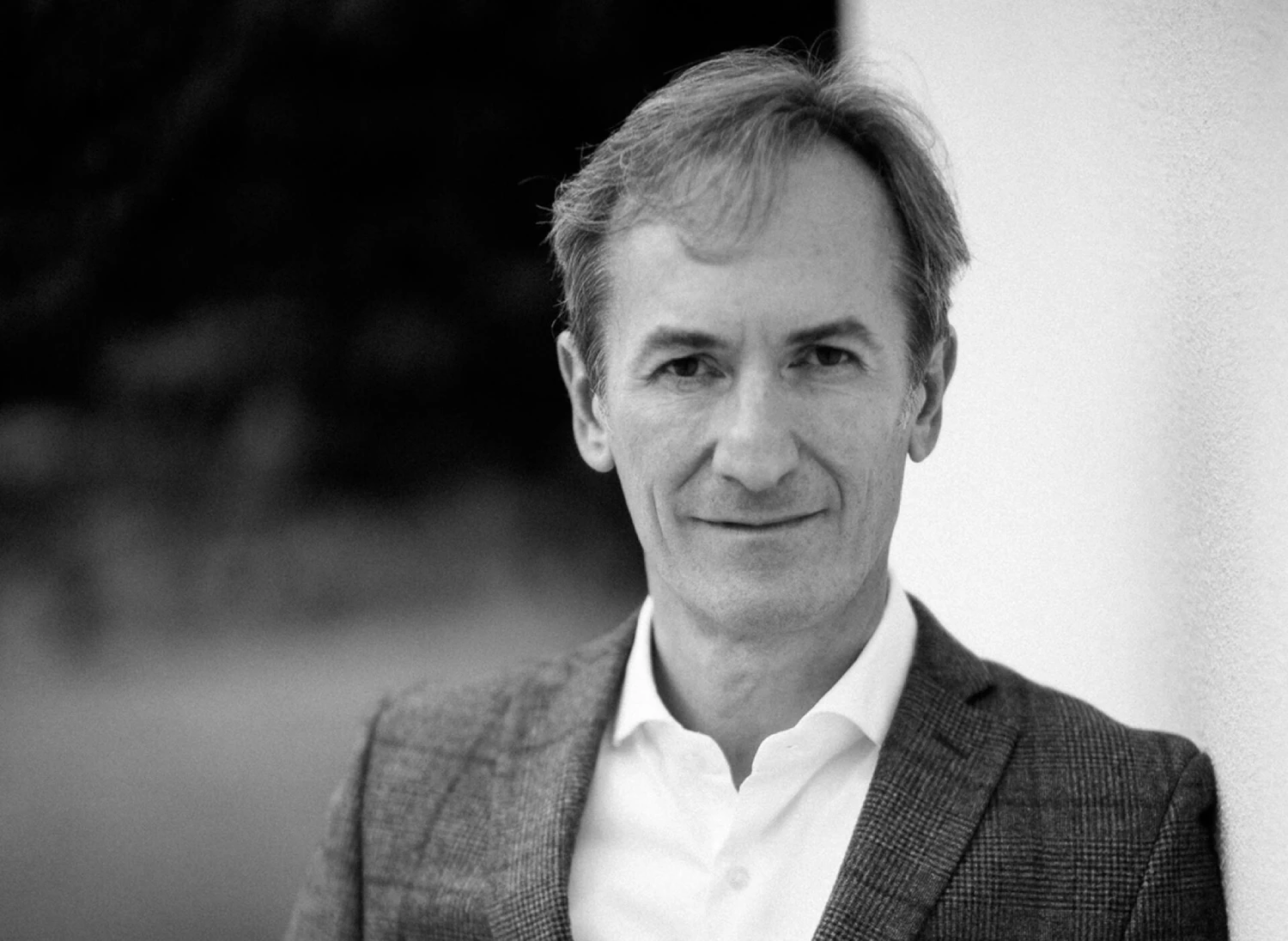
RODOLFO RICHTER, violin (Brazil / UK), JAMES JOHNSTONE, organ (UK)
Kretinga Franciscan Church
2026-08-14
19:00
MASSIMILIANO RASCHIETTI, organ (Italy)
Kretinga Franciscan Church
2026-08-16
19:00
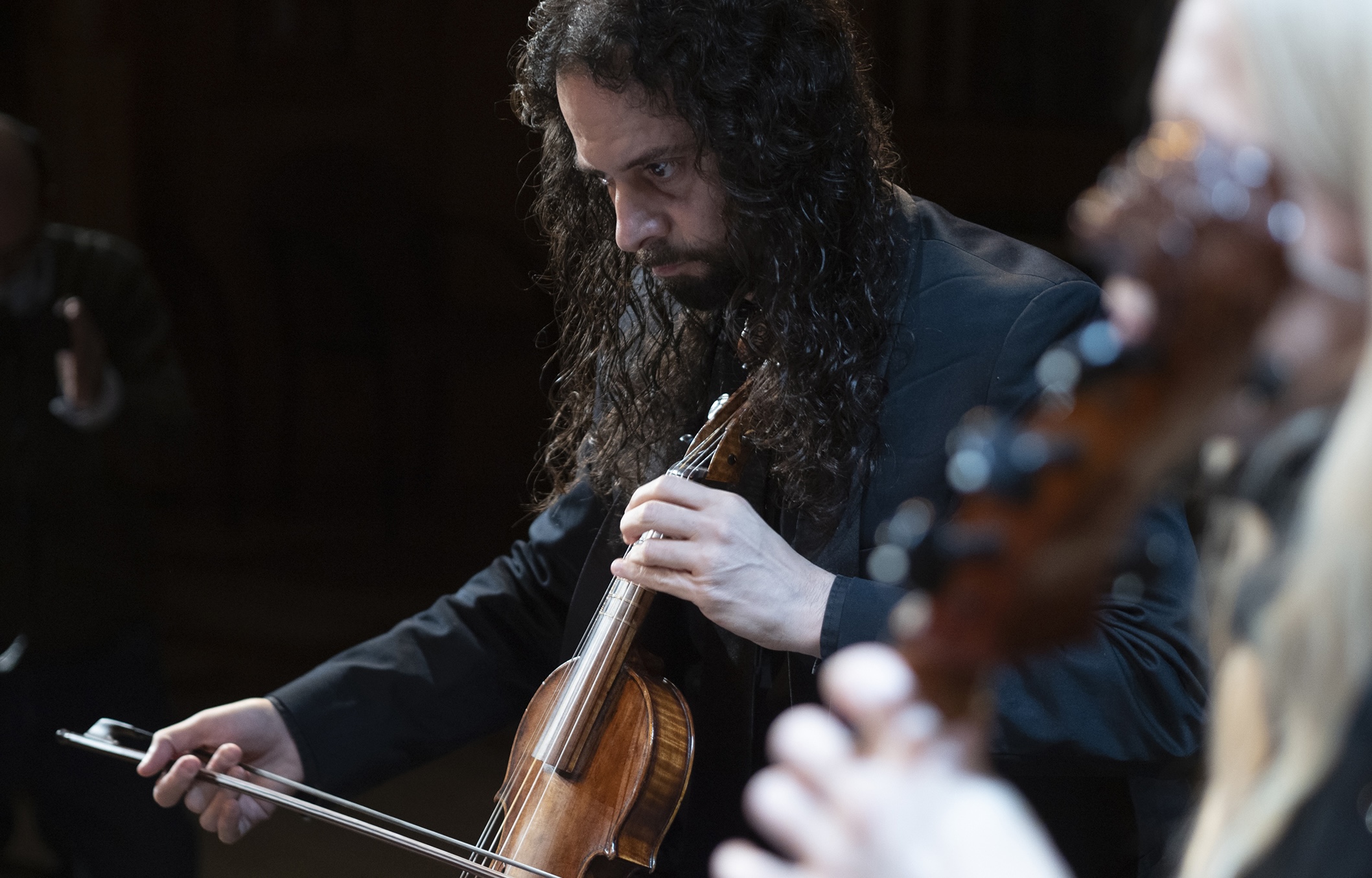
ACCADEMIA DEL PIACERE (Spain): FAHMI ALQHAI, artistic direction