

Echoes of Venice


Kretinga Franciscan Church
2026-07-30
19:00
LES CORNETS NOIRS (Switzerland)

Renaissance and Baroque: Dance and Popular Inspiration in Organ Music
In past centuries, classical music, dance, and popular traditions were closely connected and often influenced one another in fruitful ways. Keyboard music from the Renaissance and Baroque periods is especially closely linked to dance. Dance tunes were based on clear rhythmic and harmonic patterns, typical of dances such as the pavane, galliard, courante, and saltarello.
Alongside courtly dances, there were also models of more popular origin, known as “tenors.” These were melodic and harmonic patterns inspired by popular music, such as the Passamezzo antico, the Romanesca, the Ruggero, and the Folia. They were used as the basis for compositions and improvisations. These repeating patterns, often built on a steady bass line, were widely used and created a strong connection between learned music and popular tradition.
The programme begins in southern Italy with two pieces by Valente, published in Naples in 1576, preceded by De Macque’s “Intrata d’Organo”. “Lo Ballo dell’Intorcia” is a lively dance, similar to a passamezzo antico, performed by dancers passing a torch between them. La Romanesca is based on a repeating bass pattern of Spanish origin. Next come variations by the Spanish composer Cabezón on “El canto llano del Cavallero”, a popular song, or villancico, telling the story of a lady promising loyalty to her knight.
John Dowland’s “Pavana Lachrimae” is a slow and solemn dance, also known as “Flow, my tears”. Its melancholy melody was reworked by many composers, including Sweelinck, whose version is performed here. The “Balletto del Granduca” comes from the “Aria di Fiorenza” of 1589 by Emilio de’ Cavalieri. It became very popular, and Sweelinck’s version consists of four variations.
The sound of the cuckoo was often used as a musical joke in the Baroque period. Frescobaldi’s “Capriccio sopra il Cucco” demonstrates his great skill and is made up of several contrasting sections.
The melody “La Monica” tells the story of a young woman who does not want to become a nun: “Mother, do not make me a nun.” It was very popular in Europe during the 16th and 17th centuries. In France, it was known as “Chant de la nonnette”, and in Germany as “Ich ging einmal spazieren”. It was also used in sacred music, becoming the Noël “Une vierge pucelle” and the chorale “Von Gott will ich nicht lassen”. The piece “Le Moniche” in this programme, followed by two verses by Leyding, shows how this melody changed over time.
In Frescobaldi’s “Capriccio sopra l’aria di Ruggero”, the composer combines the Ruggero pattern with the popular melody “Fra Jacopino”, an old song associated with religious pilgrimages.
Kretinga Franciscan Church
2026-07-30
19:00
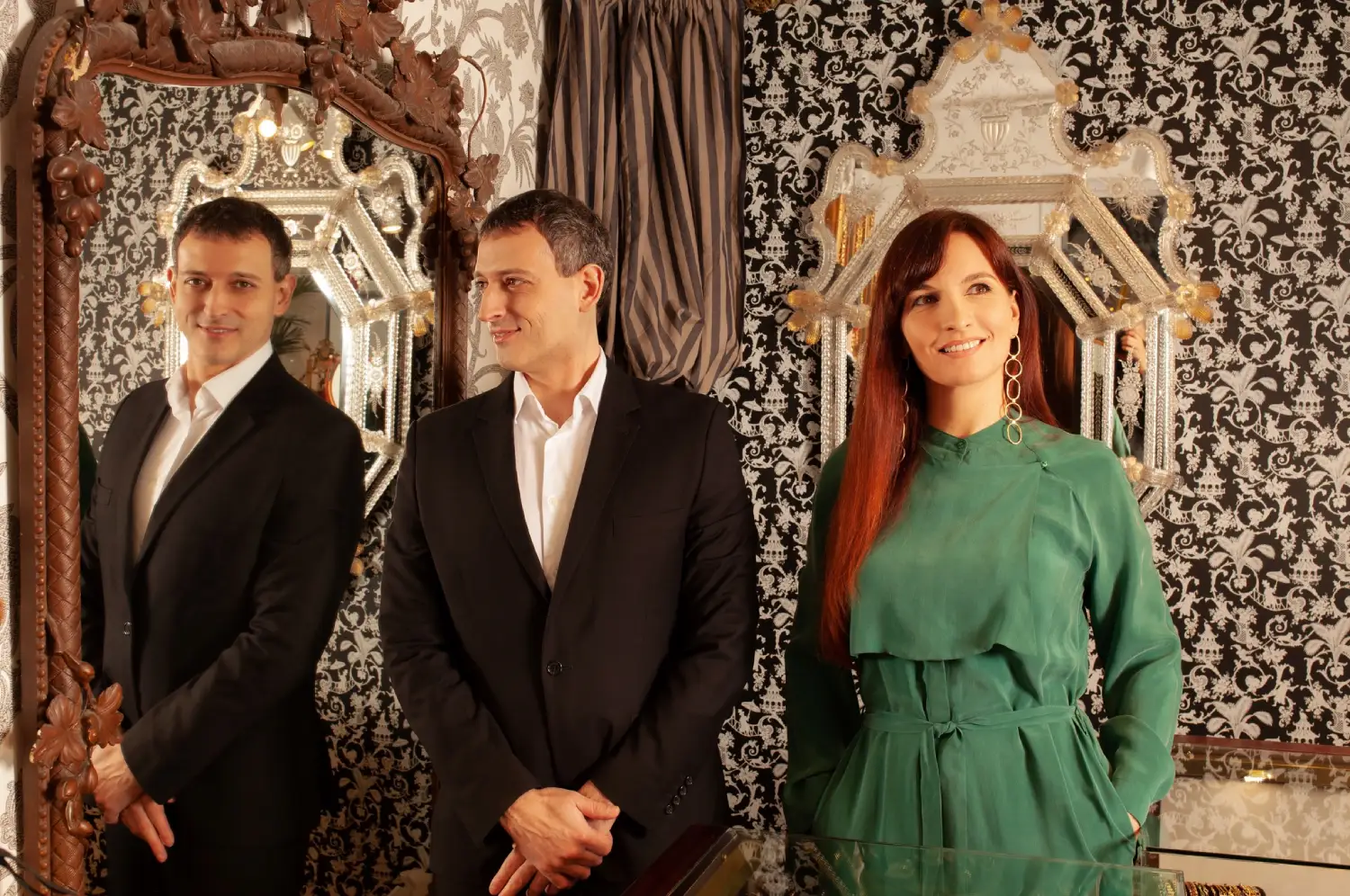
LES CORNETS NOIRS (Switzerland)
Kretinga Franciscan Church
2026-08-01
19:00
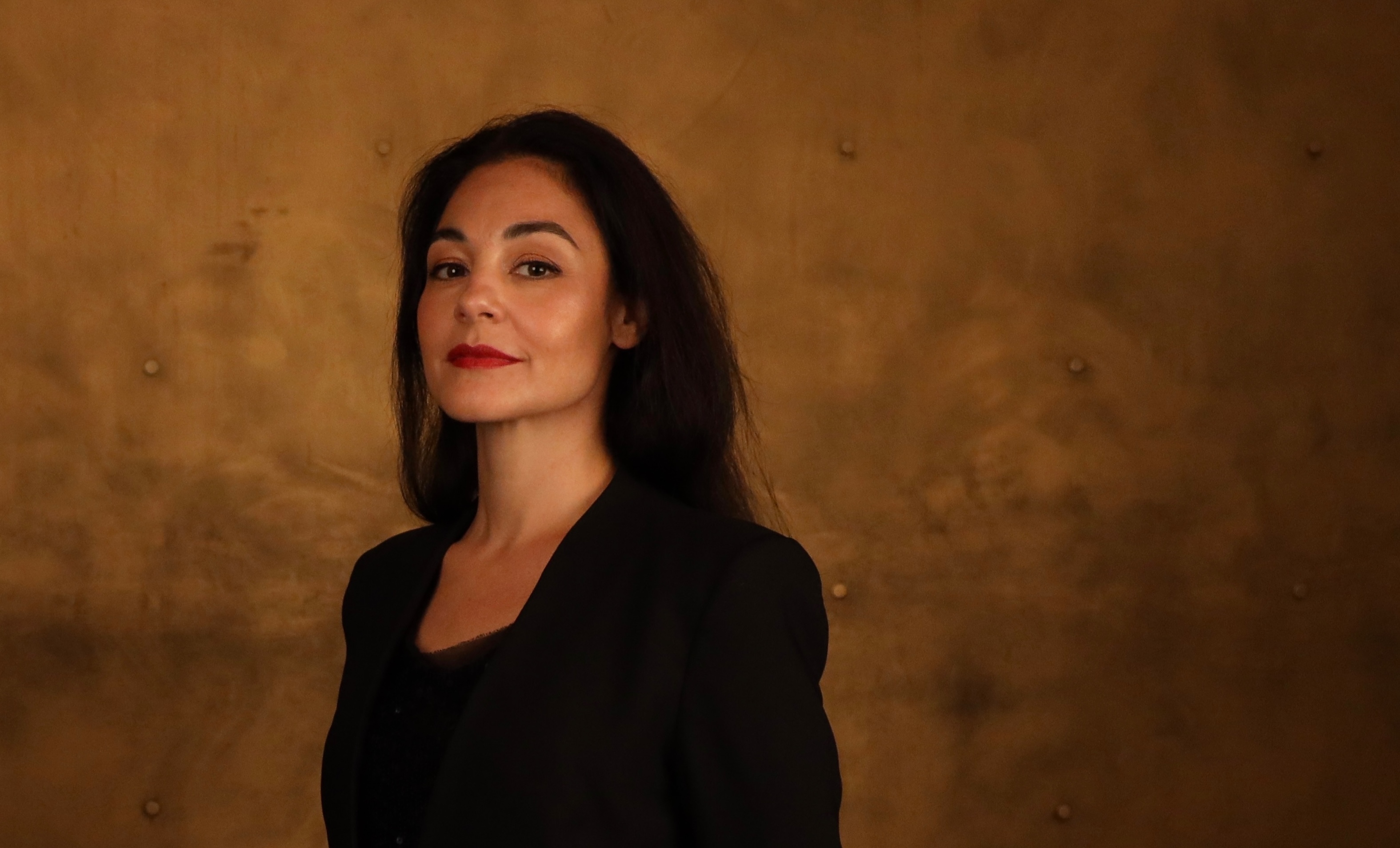
CANTO FIORITO (Lithuania): RODRIGO CALVEYRA, artistic director, RENATA DUBINSKAITĖ, mezzo-soprano

Kretinga Franciscan Church
2026-08-04
19:00
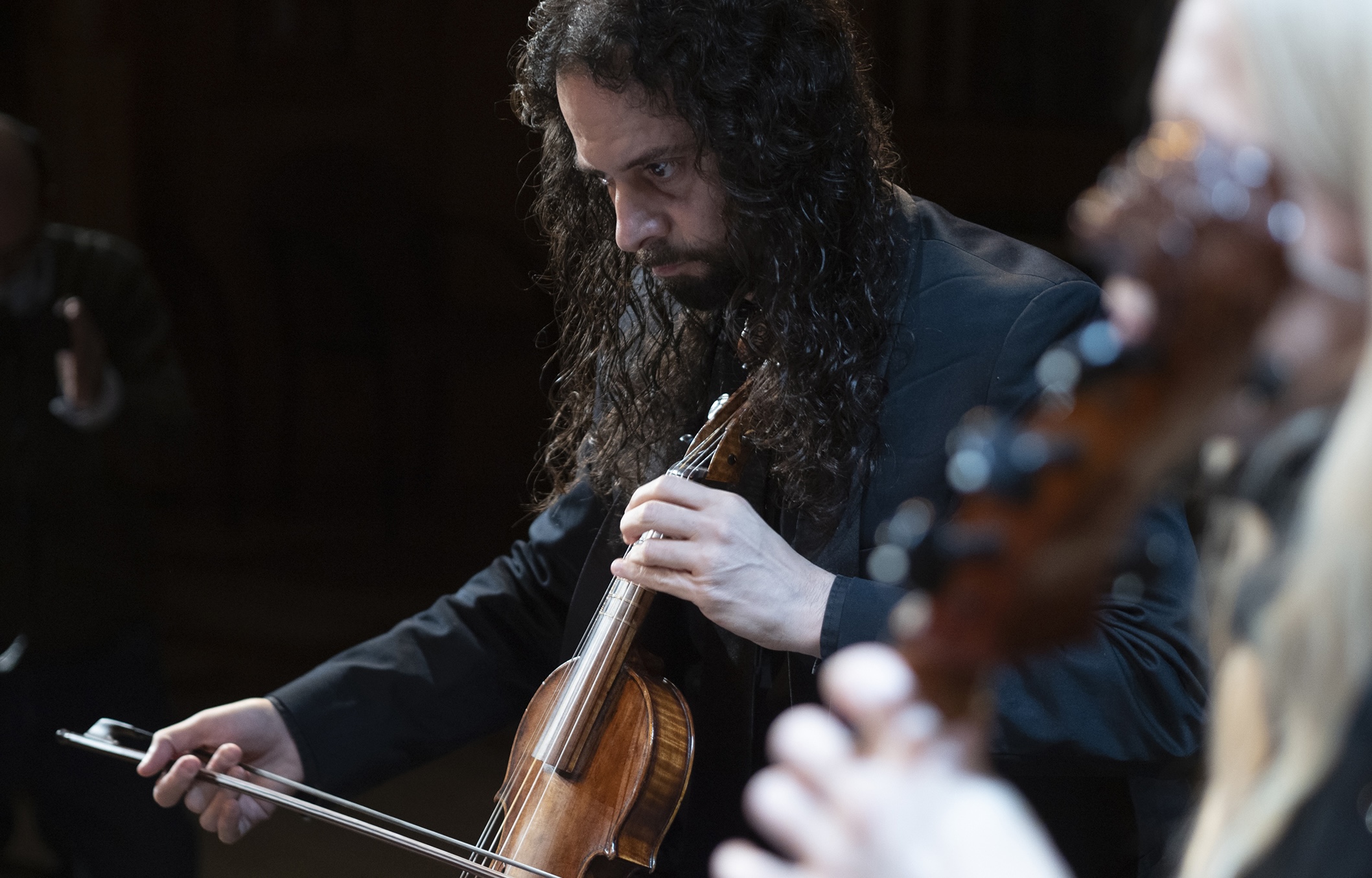
DUE TO THE SUDDEN ILLNESS, THE PERFORMERS HAVE CHANGED! MARIA CRISTINA KIEHR, soprano (Argentina / Switzerland), ARIEL ABRAMOVICH, vihuelas de mano (Argentina / Spain)
Kretinga Franciscan Church
2026-08-09
19:00
ANA QUINTANS, soprano, FERNANDO MIGUEL JALÔTO, organ (Portugal)

Kretinga Franciscan Church
2026-08-13
19:00
RODOLFO RICHTER, violin (Brazil / UK), JAMES JOHNSTONE, organ (UK)
Kretinga Franciscan Church
2026-08-16
19:00
ACCADEMIA DEL PIACERE (Spain): FAHMI ALQHAI, artistic direction