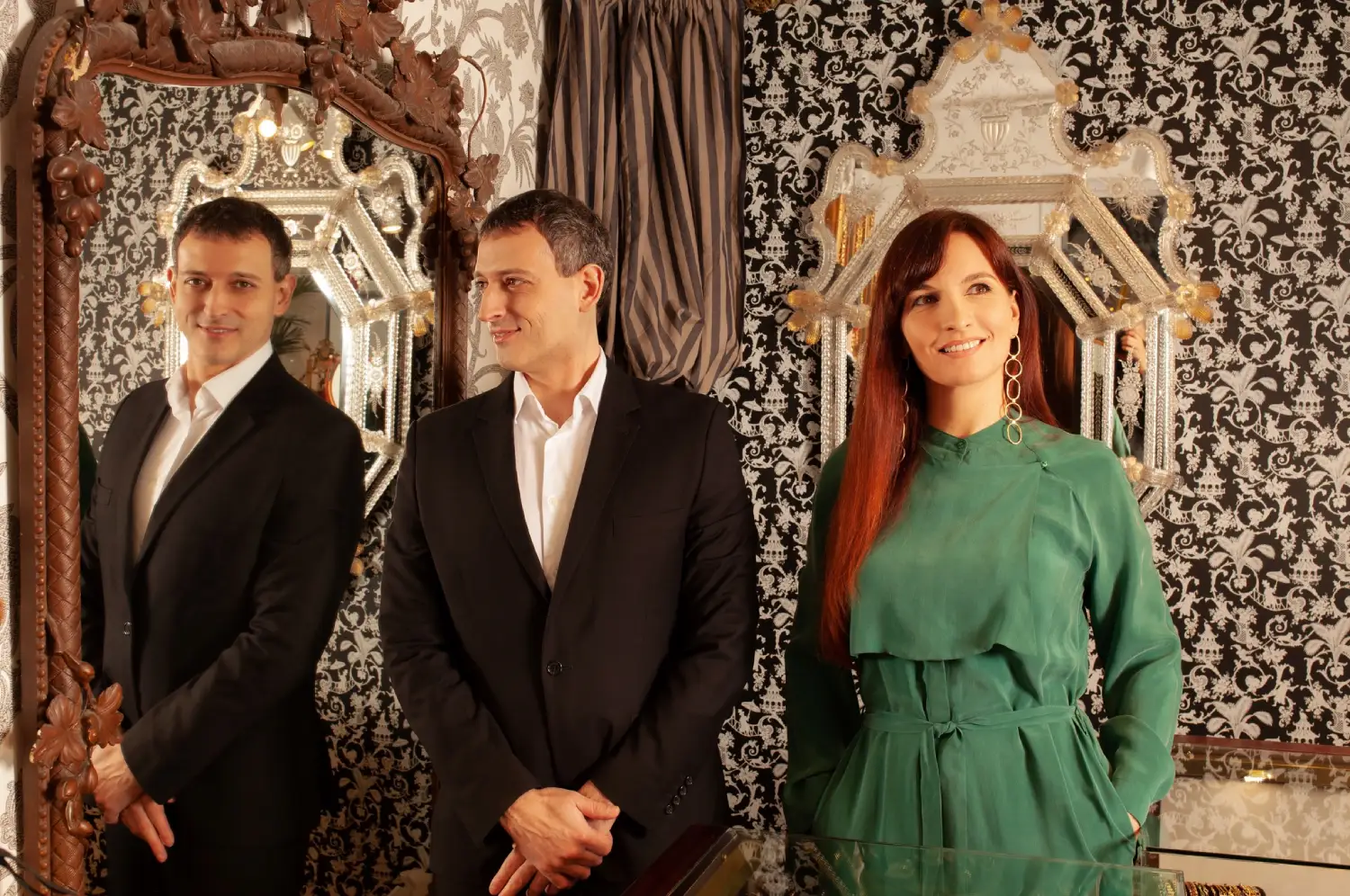

LES CORNETS NOIRS (Switzerland)
In the 16 century the vihuela tradition was already well established in Spain. Among the books dedicated to the instrument we find "Tres libros de música en cifra para vihuela" by Alonso de Mudarra, a canon of Seville Cathedral.
The first two books contain instrumental pieces. The third book is devoted to vocal pieces, encompassing all the genres cultivated in Spain since the late 15th century, in a style not very different from what Italians called cantar a la lira —a semi-improvised way of performing polyphonic repertoire in imitation of what was believed to be ancient Greek singing. A singer would take the superius line, while the accompanist would reduce the remaining voices on an instrument.
This program offers a journey through Mudarra’s third book, but the first two are also represented, with a few instrumental pieces. All vocal genres are brought together: the highly popular villancicos, the romance, the more solemn canciones, the more dramatic sonnets, reflecting Italian influence in Spain, and the Latin verses, also inherited from Italian frottola composers.
Polyphony is thus presented in a different way, while in the distance one can already glimpse the emergence of Baroque rhetoric and monody.
Pablo J. Vayón
ALONSO MUDARRA
Si me llaman a mí – If They Call Me
Israel, mira tus montes – Israel, Look Upon Your Mountains
O, gelosia d’amanti (Sannazaro) – Oh, Lovers’ Jealousy
Claros y frescos ríos (Boscán) – Clear and Fresh Rivers
Fantasía por el segundo tono
Si por amar, el hombre – If, for Loving, a Man…
Por ásperos caminos (Garcilaso) – Through Rough Paths
Conde Claros
Itene all’ombra (Sannazaro) – Go into the Shade
Fantasía por el primer tono
Recuerde el alma dormida (Manrique) – Remember the Sleeping Soul
La vita fugge (Petrarca) – Life Flees
Hanc tua Penelope (Ovidio) – This Your Penelope
Dulces exuviæ (Virgilio) – Sweet Relics
Isabel, perdiste la tu faxa – Isabel, You Have Lost Your Sash
MARIA CRISTINA KIEHR – soprano (Argentina / Switzerland)
ARIEL ABRAMOVICH – vihuelas de mano (Argentina/ Spain)
MARÍA CRISTINA KIEHR
Thanks to the magical way in which María Cristina fell under the spell of the vocal repertoire of so-called early music — more precisely, the music of the Renaissance and early Baroque — she turned from her passionate and dedicated study of the violin to singing.
From her birthplace in Tandil, and after two years of initial studies in Buenos Aires, she went on to the Schola Cantorum Basiliensis, a mecca for her chosen repertoire.
There, under the tutelage of her maestro René Jacobs, she gained the fundamental knowledge necessary to embrace the exhilarating life that devoting herself to music would bring.
María Cristina has had the privilege of sharing music and legendary stages with world-class performers, some of whom are now considered pioneers in the field of early music — names such as Nikolaus Harnoncourt, René Jacobs, Frans Brüggen, Chiara Banchini, Philippe Herreweghe, Jordi Savall, and Christophe Coin, among many others.
At the same time, as co-founder of the Daedalus Ensemble, the vocal quartet La Colombina, and the ensemble Concerto Soave with Jean-Marc Aymes, María Cristina has consolidated her musical identity, which has also allowed her to explore other musical horizons. She has premiered new compositions, some of which have been dedicated to her, and is currently working on new musical projects with the vihuelist Ariel Abramovich in Armonía Concertada, as well as with guitarists Pablo Márquez on classical guitar and Krishnasol Jiménez Moreno on Baroque guitar.
ARIEL ABRAMOVICH
As a teenager, Ariel Abramovich decided to devote his career exclusively to the 16th-century repertoire for lute and vihuela. In 1996, he moved to Switzerland to study with Hopkinson Smith at the Schola Cantorum Basiliensis, later studied in France with maestro Eugène Ferré.
In 1998, together with the countertenor José Hernández-Pastor, he founded the duo “El Cortesano”, dedicated to the repertoire of the Spanish vihuelists. They recorded two albums devoted to Esteban Daza (2001) and Diego Pisador (2008).
In 2008, he began a duo project with the British tenor John Potter, revisiting the repertoire of English lute songs. In 2011 together with Anna Maria Friman and Jacob Heringman, they founded the “Alternative History Quartet”, which released the albums “Secret History” (2017) and “Amores Pasados” (2015), the latter featuring works by Sting and members of Genesis and Led Zeppelin.
In 2013, with soprano María Cristina Kiehr, he founded the duo “Armonía Concertada”, dedicated exclusively to the 16th-century Iberian repertoire. They recorded the albums “Imaginario” (2019) and “The Josquin Songbook” (2021).
He is also involved in a project devoted to intabulations for lute and vihuela with Renaissance specialist Jacob Heringman (album “Cifras Imaginarias”, 2017). He currently performs in duo projects with the French soprano Perrine Devillers, the Argentine tenor Jonatan Alvarado, the Spanish soprano Inés Alonso, and the Argentine soprano Nadia Szachniuk.


Kretinga Franciscan Church
July 30, 2026
19:00
LES CORNETS NOIRS (Switzerland)


Kretinga Franciscan Church
August 1, 2026
19:00
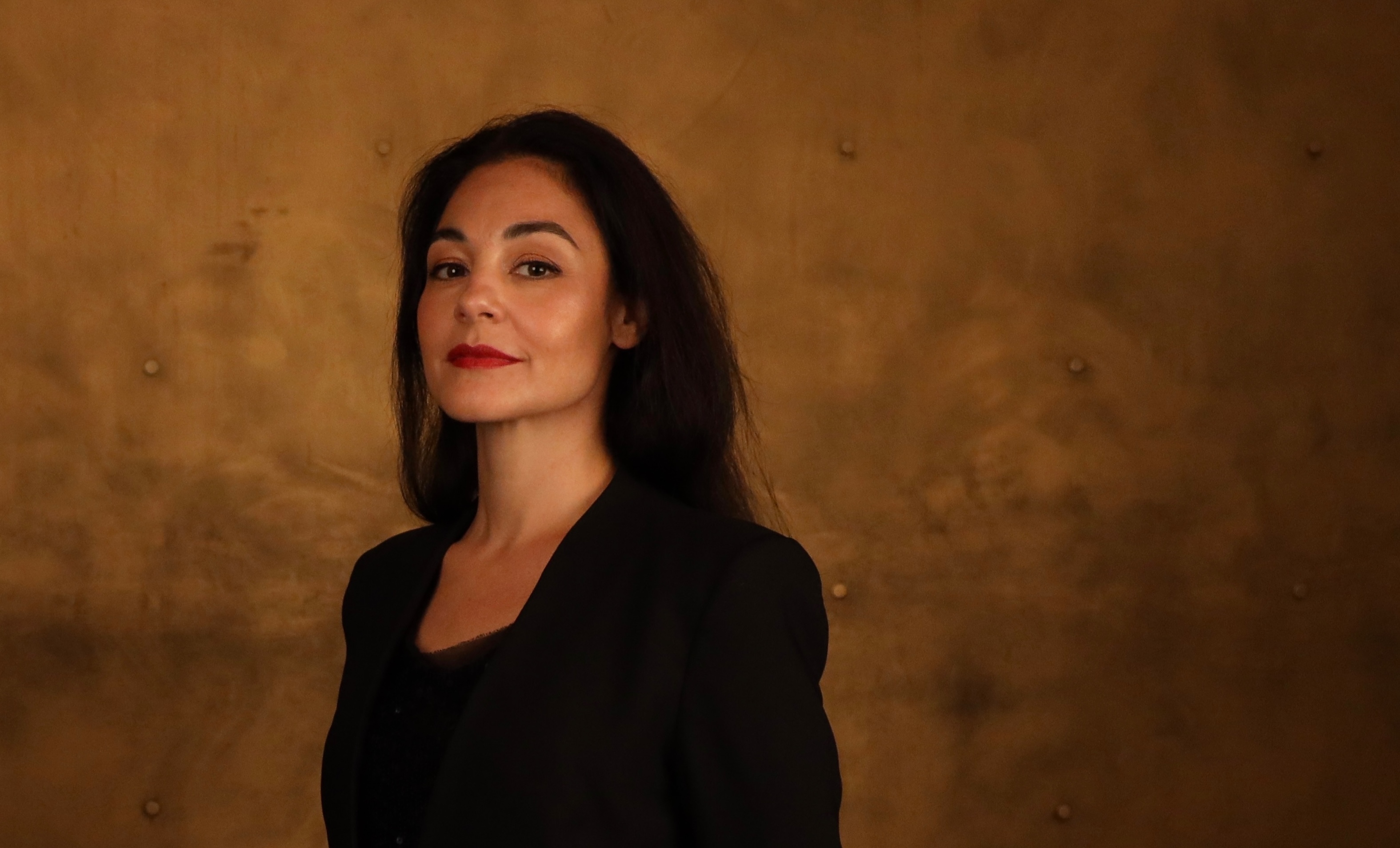
CANTO FIORITO (Lithuania): RODRIGO CALVEYRA, artistic director, RENATA DUBINSKAITĖ, mezzo-soprano

Kretinga Franciscan Church
August 9, 2026
19:00
ANA QUINTANS, soprano, FERNANDO MIGUEL JALÔTO, organ (Portugal)


Kretinga Franciscan Church
August 13, 2026
19:00
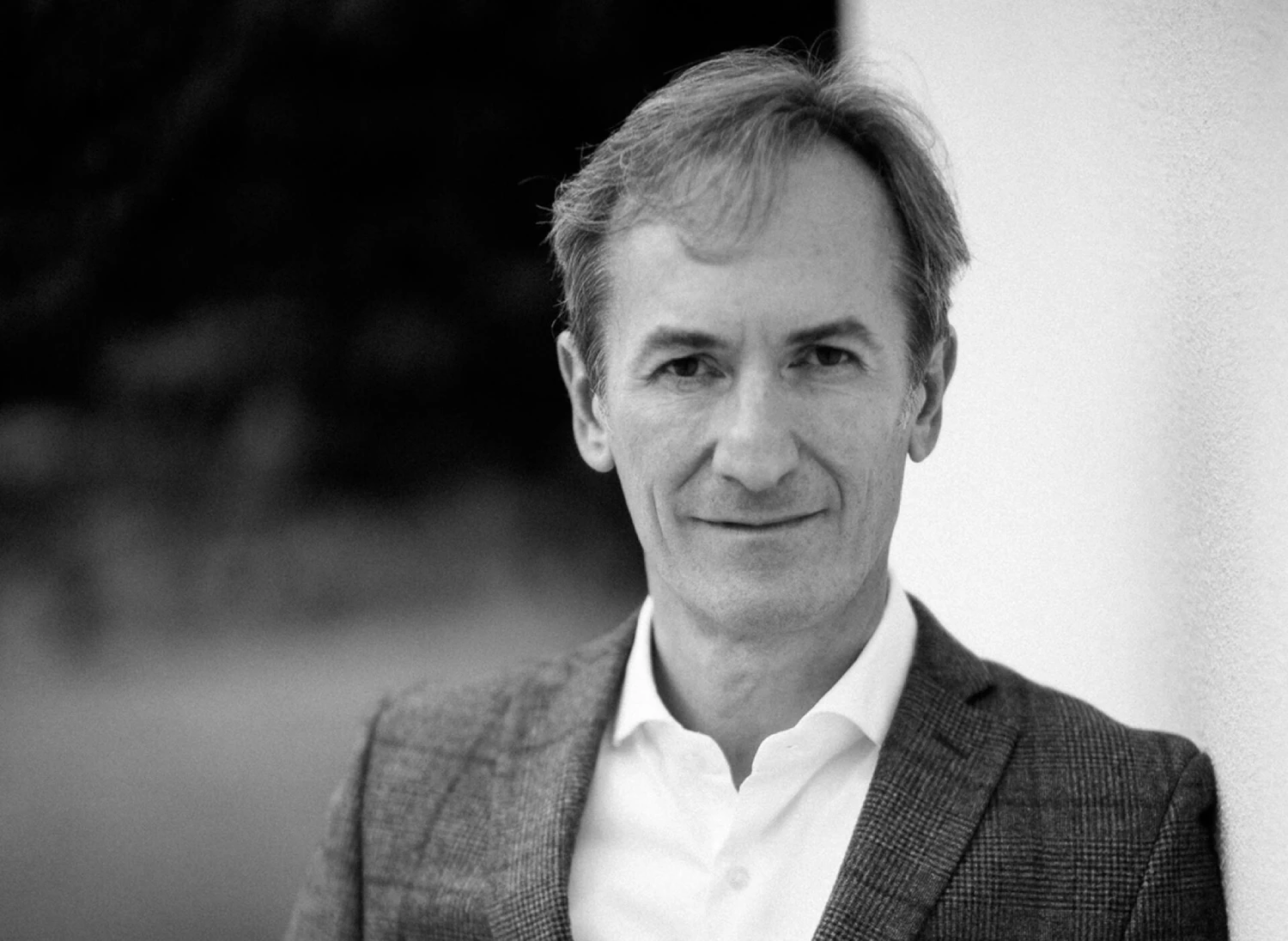
RODOLFO RICHTER, violin (Brazil / UK), JAMES JOHNSTONE, organ (UK)

Kretinga Franciscan Church
August 14, 2026
19:00
MASSIMILIANO RASCHIETTI, organ (Italy)

Kretinga Franciscan Church
August 16, 2026
19:00
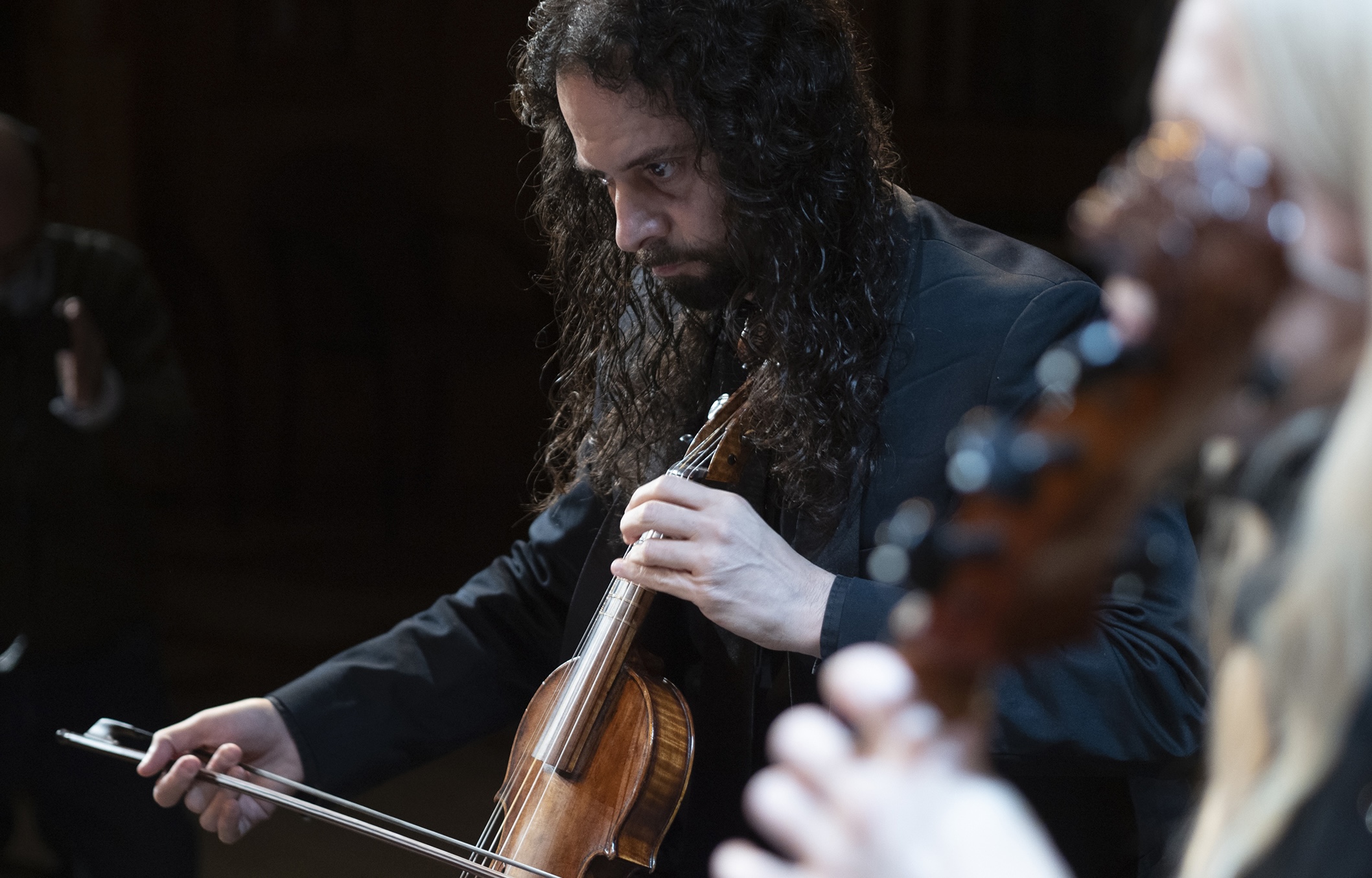
ACCADEMIA DEL PIACERE (Spain): FAHMI ALQHAI, artistic direction