

Echoes of Venice


Kretinga Franciscan Church
2026-07-30
19:00
LES CORNETS NOIRS (Switzerland)


Martin Luther’s love of music is one of the most fortunate events in the history of Western music. Thanks to it, the Reformed Church placed chorales at the very centre of its renewed liturgy: a vast corpus of simple melodies, easy for the people to learn, with texts in German. Some were newly composed in the sixteenth century, including some by Luther himself, while many were adapted from older chants, especially Gregorian melodies, such as “Nun komm’ der Heiden Heiland”, derived from an Ambrosian hymn. Secular songs were also occasionally transformed for sacred use, as in the joyful “In dir ist Freude”.
For German church musicians, especially organists, improvising and composing arrangements on these melodies was an essential part of their work. This tradition explains why Johann Sebastian Bach left hundreds of such examples throughout his life. The familiarity of these melodies offered him the ideal foundation for creating music that combined the beauty of the new with the resonance of the already known.
Bach explored every possibility of enriching chorale melodies through his extraordinary mastery of counterpoint. In “In dulci jubilo” (BWV 368), he presents a simple harmonisation with the chorale in the highest voice, while in “Liebster Jesu, wir sind hier” (BWV 731) the melody is transformed through rich ornamentation. His greatest achievement, however, lies in the art of counterpoint: adding elaborate independent voices around the chorale, which remains as a cantus firmus.
This approach reaches its highest point in the Canonic Variations on “Von Himmel hoch” (BWV 769), where Bach transforms the simple chorale through five forms of strict imitation: canons at the octave, fifth, and seventh, augmentation, and inversion. Published during his lifetime, this work demonstrates a level of compositional mastery rarely achieved in the history of music.
Among Bach’s best-known chorale arrangements is “Wachet auf, ruft uns die Stimme” (BWV 645), originally composed for choir and orchestra in Cantata BWV 140. Its organ version reveals Bach’s vision of independent melodic lines as essentially vocal in nature. To recover this instrumental vocality, this programme presents the music through the sound of the viola da gamba, an instrument especially suited to imitating the human voice and one that Bach himself greatly valued.
Juan Ramón Lara
Kretinga Franciscan Church
2026-07-30
19:00
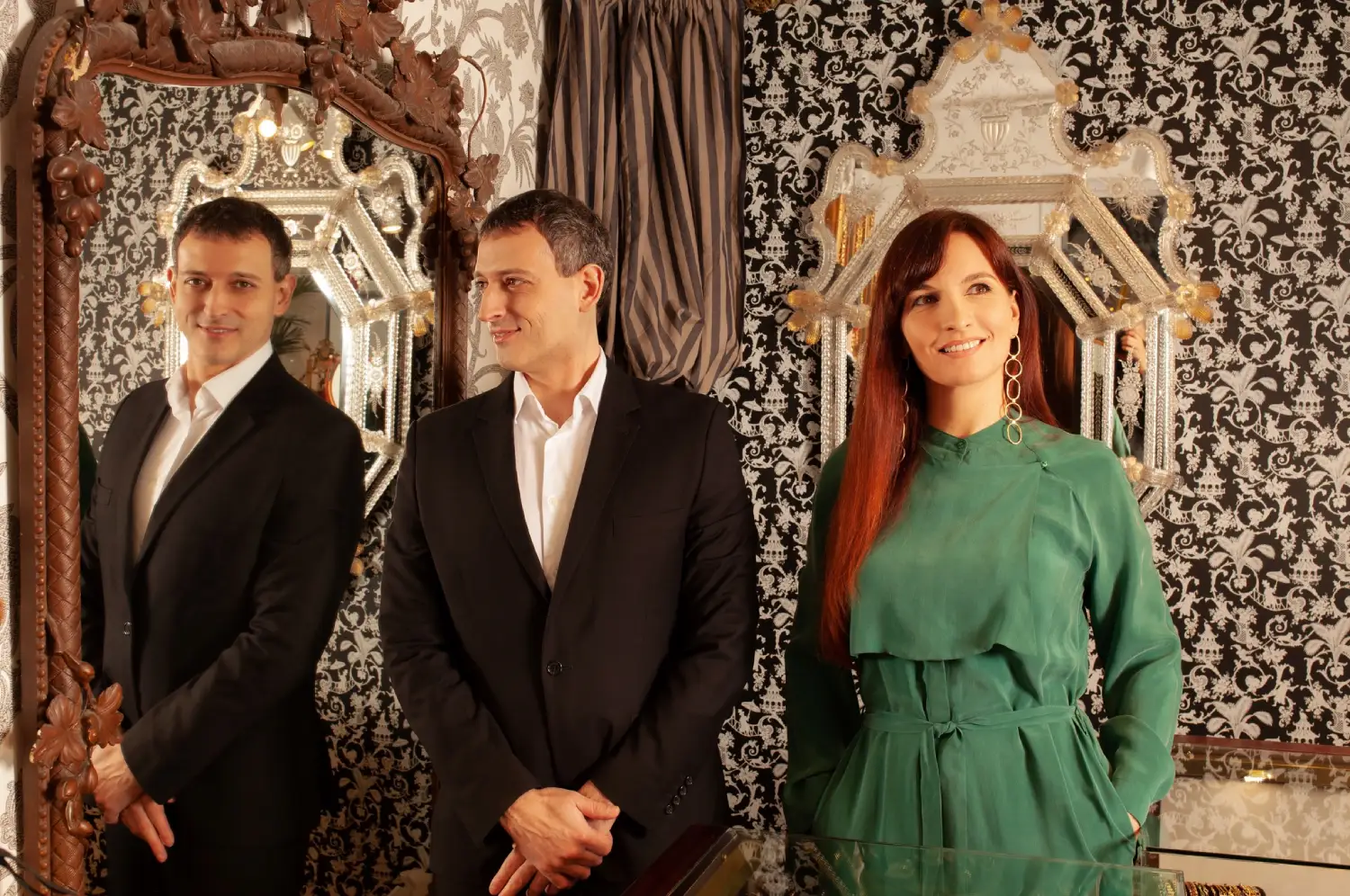
LES CORNETS NOIRS (Switzerland)
Kretinga Franciscan Church
2026-08-01
19:00
CANTO FIORITO (Lithuania): RODRIGO CALVEYRA, artistic director, RENATA DUBINSKAITĖ, mezzo-soprano

Kretinga Franciscan Church
2026-08-04
19:00
DUE TO THE SUDDEN ILLNESS, THE PERFORMERS HAVE CHANGED! MARIA CRISTINA KIEHR, soprano (Argentina / Switzerland), ARIEL ABRAMOVICH, vihuelas de mano (Argentina / Spain)

Kretinga Franciscan Church
2026-08-09
19:00
ANA QUINTANS, soprano, FERNANDO MIGUEL JALÔTO, organ (Portugal)

Kretinga Franciscan Church
2026-08-13
19:00
RODOLFO RICHTER, violin (Brazil / UK), JAMES JOHNSTONE, organ (UK)
Kretinga Franciscan Church
2026-08-14
19:00
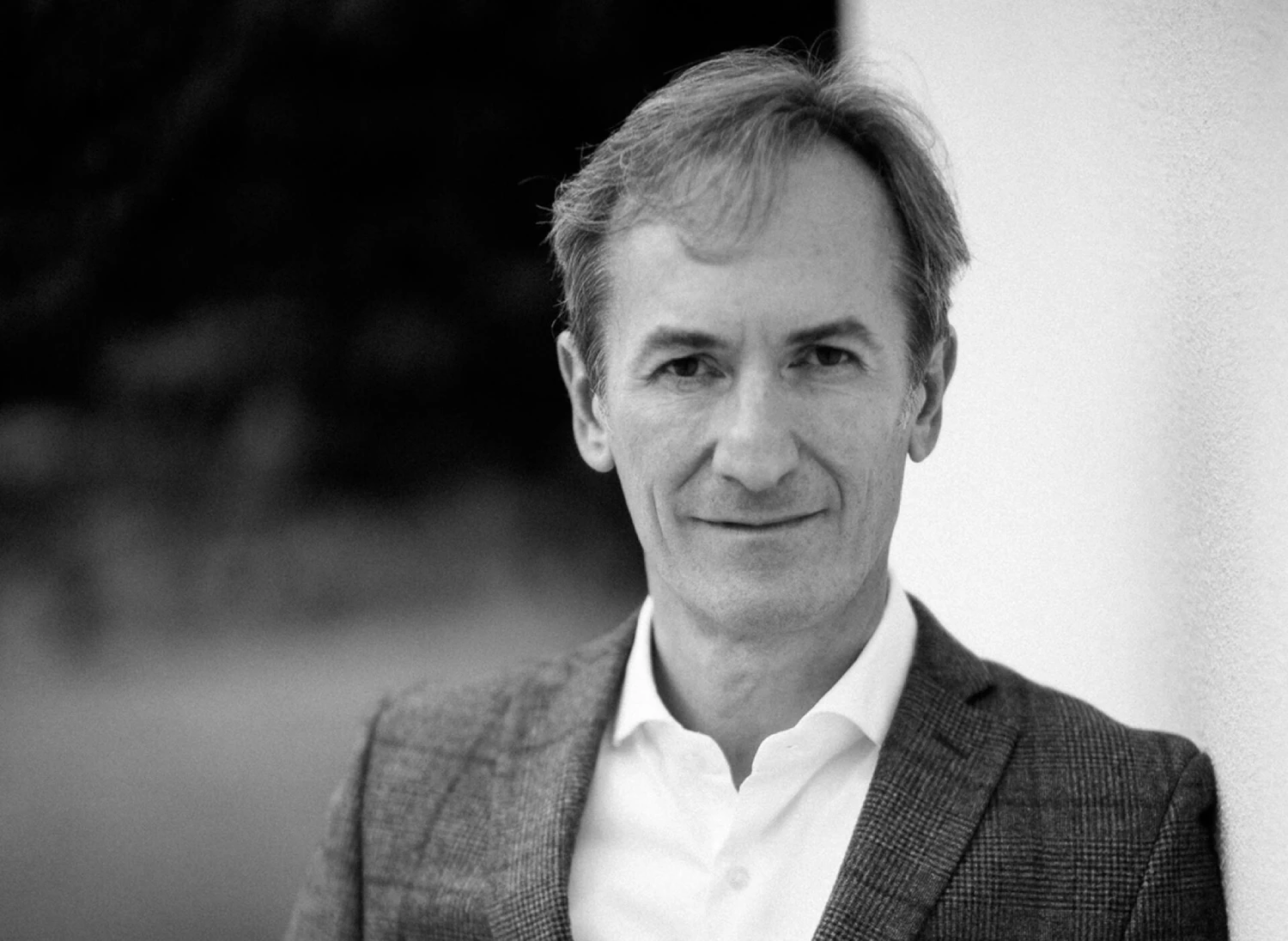
MASSIMILIANO RASCHIETTI, organ (Italy)