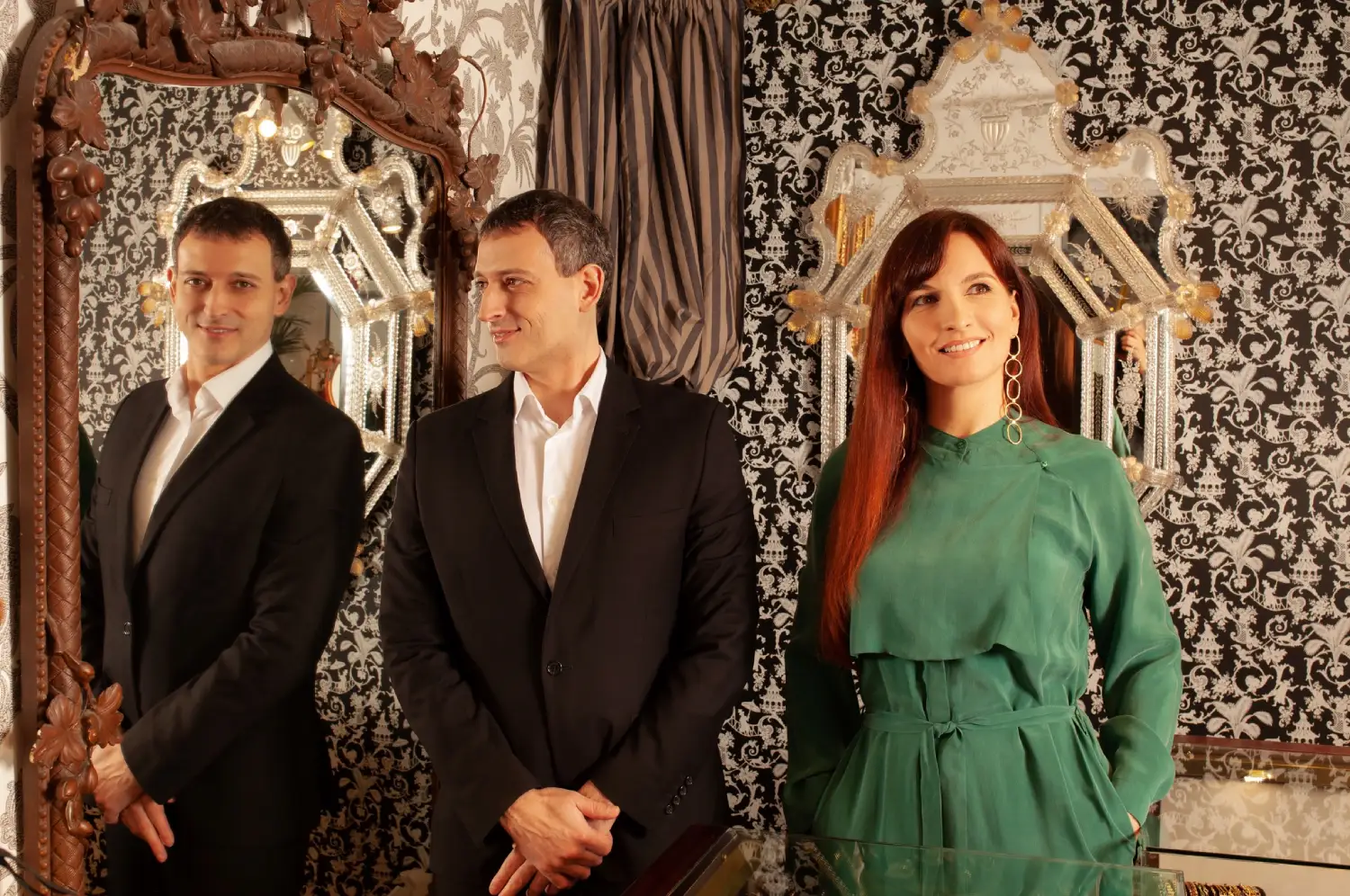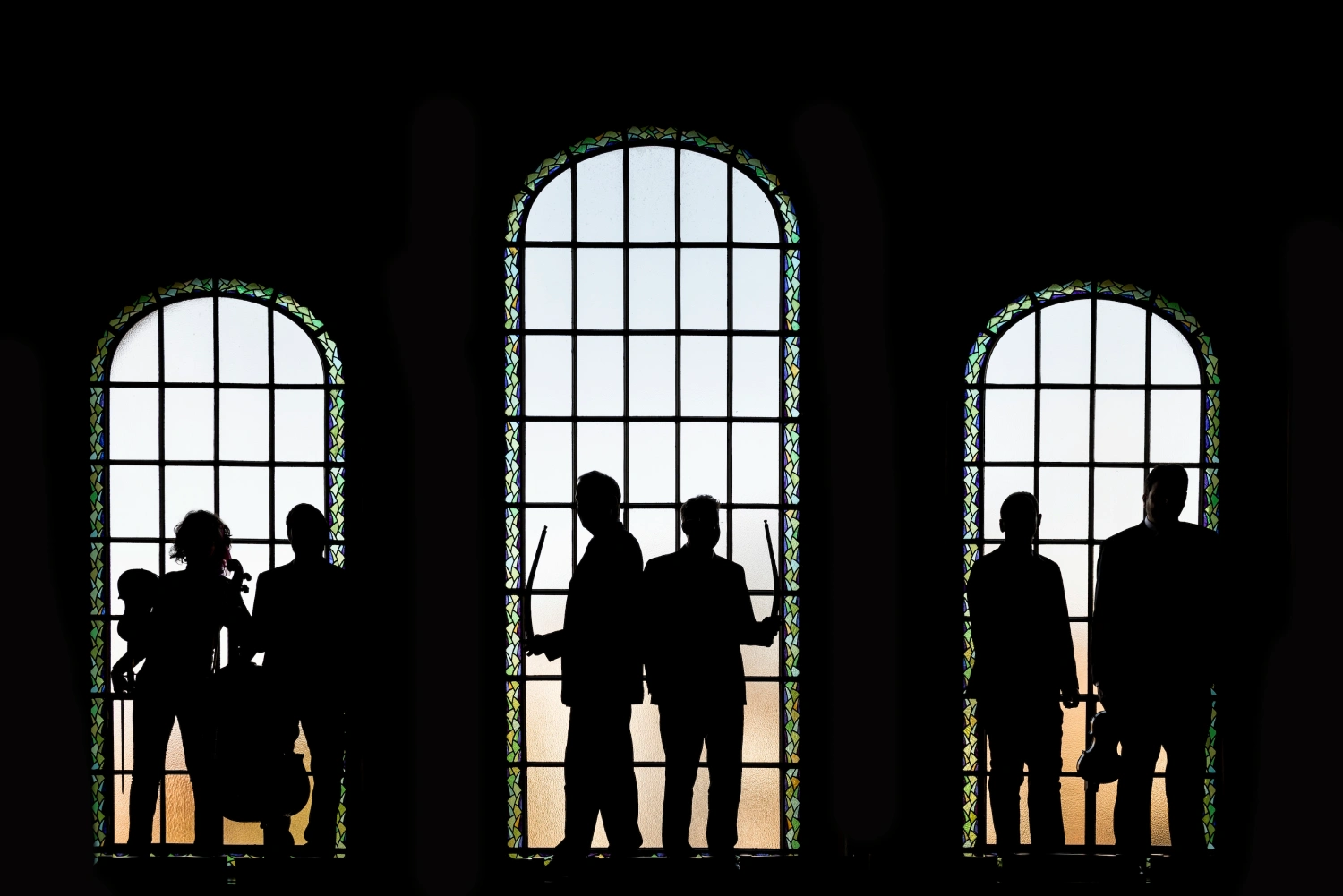

LES CORNETS NOIRS (Switzerland)
Between Breath and Strings: German baroque concerto for recorder, viola da gamba and harpsichord
This programme invites us into the refined and multifaceted sound world of the German Baroque, a moment in which musical language achieves a rare balance between intellectual architecture and expressive immediacy. At its centre lies a dialogue between styles,instruments, and affects, embodied in the works of Georg Philipp Telemann,Johann Sebastian Bach, and Johann Gottlieb Graun, three composers who, each in his own way, navigate the tension between tradition and innovation.
Telemann’s Ouverture-Suite in A minor unfolds as asynthesis of European musical styles, rooted in the French overture tradition yet infused with Italian spontaneity and rhetorical vitality. In movements suchas Les Plaisirs and Air à l’Italien, refined courtly elegance gives way to a more immediate and expressive language, revealing Telemann’s extraordinary ability to transform stylistic contrasts into a unified musicaldiscourse.
Graun’s Concerto for viola da gamba leads us into amore introspective world. Written at a moment when the instrument was already fading from prominence, the work possesses a sense of fragile persistence. Its central Adagio unfolds like an intimate confession, where the viola da gamba seems almost to sing, suspended between melancholy and tenderness.
In Bach’s Harpsichord Concerto in A major, the keyboard emerges as a true protagonist. Beneath the architectural clarity and rhythmic energy of the outer movements lies the lyrical heart of the Larghetto,where the harpsichord transcends its percussive nature to achieve an almost vocal expressivity.
The programme culminates in Telemann’s Concerto for recorder and viola da gamba, a meditation on contrast and complementarity. The luminous agility of the recorder and the darker, introspective sonority of the viola da gamba engage in a dialogue of remarkable subtlety, particularly in the suspended intimacy of the “Dolce” movement.
More than a succession of works, this programme offers a continuous exploration of musical identity: between national styles, between public brilliance and private expression, between structural clarity and emotional depth. It is precisely within this delicate balance that the German Baroque finds its most profound voice.
Rodrigo Calveyra
Georg Philipp Telemann
Ouverture Suite for recorder in A minor TWV 55:a2
Ouverture-Les Plaisirs-Air à
L’Italien-Menuet I and II
Réjouissance
Johann Gottlieb Graun
Concerto for viola da gamba in A major W 95
Allegretto-Adagio-Allegro
Johann Sebastian Bach
Concerto for Harpsichord in A major BWV 1055
Allegro-Larghetto-
Allegro ma non tanto
Georg Philipp Telemann
Concerto for recorder and viola da gamba in A minor TWV52:a1
(Larghetto)-Allegro-
Dolce-Allegro
RODRIGO CALVEYRA – conductor, recorder (Brazil / France)
TEODORO BAÙ – viola da gamba (Italy)
ANDREA BUCCARELLA – harpsichord (Italy)
KLAIPĖDA CHAMBER ORCHESTRA, orchestra artistic director MINDAUGAS BAČKUS (Lithuania)
RODRIGO CALVEYRA
Rodrigo Calveyra is a conductor, cornetto and recorder player internationally recognised for his work in historically informed performance and 17thcentury repertoire. Originally from Brazil, he pursued early music studies in Europe: he studied recorder at the Schola Cantorum Basiliensis, he also specialized in medieval music at the Civica Scuola di Musica di Milano with Pedro Memelsdorff, and studied cornetto at the Hochschule für Musik of Trossingen.
As conductor, Calveyra has led several Brazilian orchestras and the Klaipėda Chamber Orchestra. His operatic work includes Stradella’s “La Circe”, Handel’s “Alcina” and Handel’s “Giulio Cesare”. Calveyra is the artistic director of Vilnius-based early music ensemble Canto Fiorito and founder of the Kretinga Early Music Festival. He is also a regular member of the ensemble Cappella Mediterranea and musical assistant to its leader Leonardo García Alarcón.
He has performed at major international venues including the Berliner Philharmonie, KonzerthausWien, Théâtre des Champs-Élysées, Philharmonie de Paris, Opéra Garnier, Teatro alla Scala, Teatro Colón, Palau de la Música Catalana, Elbphilharmonie, and the Concertgebouw of Amsterdam and many others. He has participated in major international festivals including the Festival of Ambronay, Festival Oude Muziek Utrecht, Innsbrucker Festwochen der Alten Musik, MA Festival Brugge and many others. His discography includes recordings for major international labels such as Archiv Produktion, Harmonia Mundi, Alpha Classics, and Sony Classical.
TEODORO BAÙ
Named “One to Watch” by Gramophone, Teodoro Baù is a prizewinner of several international competitions, including the MA Competition Bruges (2021) and the Bach-Abel Wettbewerb Köthen (2015). His debut recording, released by Ricercar and featuring sonatas by Arcangelo Corelli, received several awards and distinctions, including the Diapason d'Or and the Choc de Classica.
Born in Italy, he began studying the viola da gamba with Claudia Pasetto and continued his studies in Basel with Paolo Pandolfo and in Salzburg with Vittorio Ghielmi. He also studied the lute with Massimo Lonardi and Peter Croton.
Currently based in Basel, Teodoro Baù has appeared as a soloist at festivals such as Bachfest Leipzig, Schwetzinger Festspiele, Tage Alter Musik Herne, Festival Oude Muziek Utrecht, and MA Festival Brugge, as well as at venues including the Wiener Konzerthaus, the Auditorium Giovanni Agnelli at the Lingotto in Turin, and the Warsaw Philharmonic.
In 2025, he founded the ensemble The Bowline, of which he serves as director. Alongside his concert career, Teodoro Baù teaches viola da gamba at the Hochschule für Musik Freiburg, at the Urbino Musica Antica summer courses, and, starting in autumn 2026, at the Civica Scuola di Musica Claudio Abbado in Milan.
ANDREA BUCCARELLA
Harpsichordist,organist, and conductor Andrea Buccarella is regarded as one of the leading early music specialists of his generation. In 2018, he was awarded First Prize at the International Harpsichord Competition in Bruges, together with the Outhere Prize. It marked the beginning of an intensive international career, leading him to perform both as a soloist and conductor at major festivals and concert halls throughout Europe, the United States, Colombia, Bolivia, Korea,and Japan.
Since 2012, Buccarella has served as the artistic director of the Abchordis Ensemble. Under his leadership, the ensemble won First Prize at the Göttingen Handel Competition in 2015. He is regularly invited to conduct leading ensembles and orchestras, including La Cetra Barockorchester Basel, Venice Baroque Orchestra, Il Pomo d’Oro, the National Symphony Orchestra of Colombia, the Frau Musika Orchestra, and the Orchestra of the Schola Cantorum Basiliensis.
As both a soloist and conductor, Andrea Buccarella has recorded numerous CDs that have received international recognition and prestigious awards, including the Diapason d’Or, Choc de Classica, Gramophone Editor’s Choice, Scherzo Excepcional, and Disc of the Month (Classic Voice).
Since 2022, he has been a guest teacher at the Schola Cantorum Basiliensis, where he serves as assistant to Andrea Marcon in the harpsichord class. Since 2025, he has also served as a guest professor of Early Music at the Hochschule für Musik Saar, and he regularly gives masterclasses throughout Europe.
KLAIPEDA CHAMBER ORCHESTRA
The Klaipėda Chamber Orchestra (KCO) is one of Lithuania’s most dynamic professional chamber orchestras. Founded in 1992 on the initiative of violist Liuda Kuraitienė, the ensemble received a major artistic impetus when cellist Mindaugas Bačkus was appointed Artistic Director in 2009.
The KCO is committed to engaging and educating its audiences through an exceptionally diverse repertoire spanning musical styles and genres from the Baroque to contemporary works. At the same time, the orchestra stands out among Lithuanian ensembles for its highly professional approach to eighteenth-century repertoire and its dedication to historically informed performance practice. Although performing Baroque music on modern string instruments, since 2019 the orchestra has adopted Baroque bows and performs at Baroque pitch. It continually refines its expertise by collaborating with internationally renowned specialists in early music, including Reinhard Goebel, Bruno Cocset, Enrico Onofri, Dmitry Sinkovsky, Chouchane Siranossian, Maurice Steger, Rodrigo Calveyra, Vincent Bernhard, and others.
As its repertoire has expanded, so has the orchestra’s international presence. In addition to appearing regularly at major Lithuanian festivals, the KCO has toured in Germany, Italy, Poland,Ukraine, Latvia, Estonia, Finland, Italy, Switzerland, Russia, and other countries.


Kretinga Franciscan Church
July 30, 2026
19:00
LES CORNETS NOIRS (Switzerland)


Kretinga Franciscan Church
August 1, 2026
19:00
CANTO FIORITO (Lithuania): RODRIGO CALVEYRA, artistic director, RENATA DUBINSKAITĖ, mezzo-soprano


Kretinga Franciscan Church
August 4, 2026
19:00
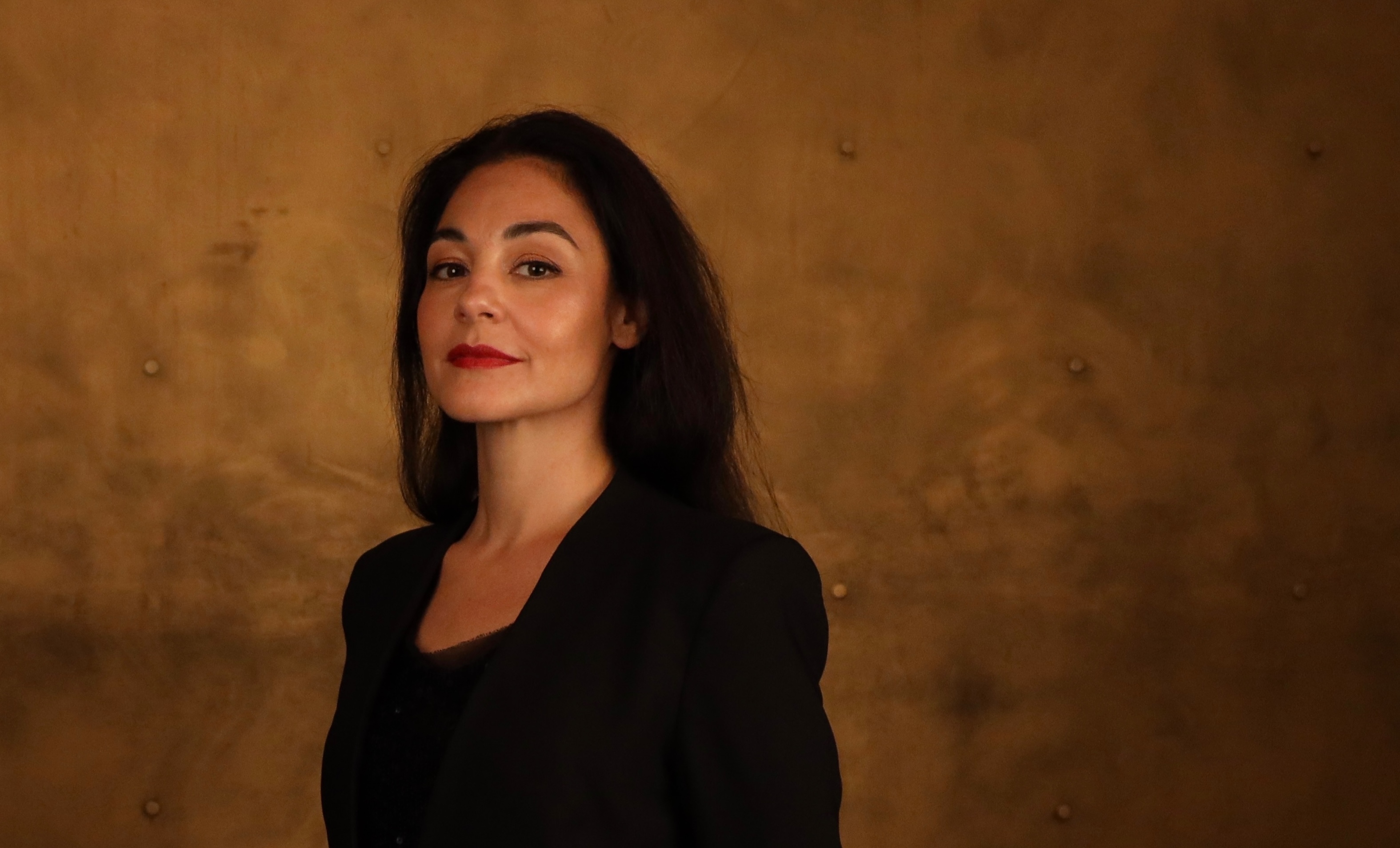
MARIA CRISTINA KIEHR, soprano (Argentina / Switzerland), ARIEL ABRAMOVICH, vihuelas de mano (Argentina / Spain)

Kretinga Franciscan Church
August 9, 2026
19:00
ANA QUINTANS, soprano, FERNANDO MIGUEL JALÔTO, organ (Portugal)


Kretinga Franciscan Church
August 13, 2026
19:00
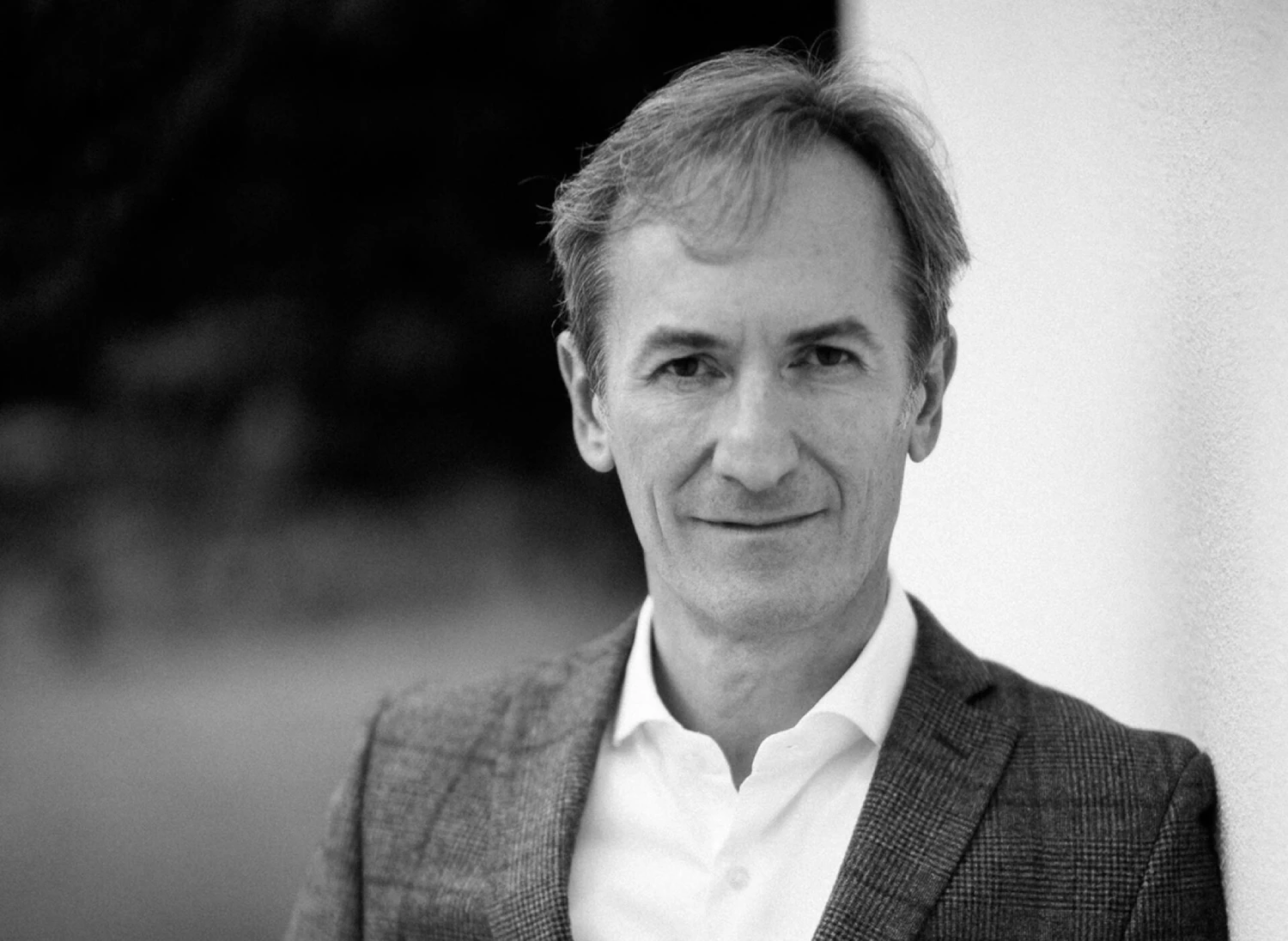
RODOLFO RICHTER, violin (Brazil / UK), JAMES JOHNSTONE, organ (UK)

Kretinga Franciscan Church
August 14, 2026
19:00
MASSIMILIANO RASCHIETTI, organ (Italy)